Stop Baking Your Vacuum Chamber
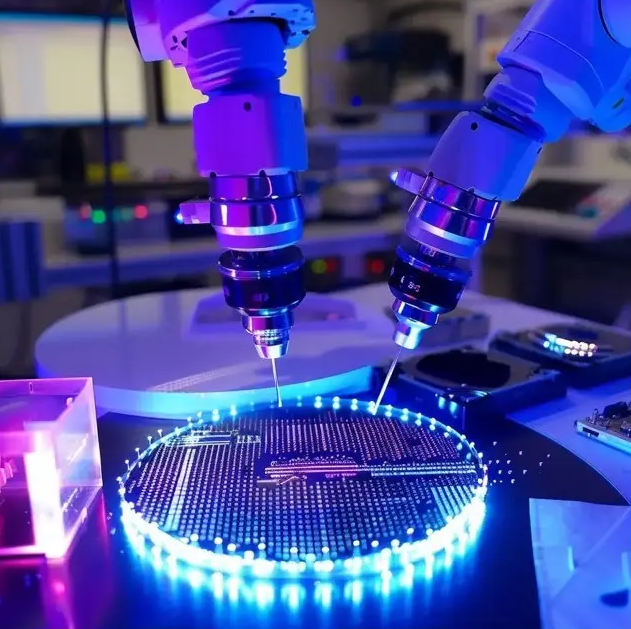
If you’ve spent any time in semiconductor processing, you know the struggle. You need to get that wafer hot, but you don’t want to turn your entire vacuum chamber into an oven. Standard IR lamps are kind of messy. They throw heat everywhere. A lot of that energy just bounces off the wafer and slams into the inner walls. Before you know it, the chassis is hot enough to burn you, and you’re worrying about the equipment frame warping from the heat. It’s a headache. The trick is getting the heat to actually go where it’s supposed to. Instead of just using a bare quartz tube and hoping for the best, we use directional infrared. Think of it like switching from a lightbulb to a flashlight. By using specialized reflectors and emitters, we squeeze that IR energy into a tight beam. The heat hits the substrate directly. The walls? They stay relatively chill. You still get your ramp-up speed, but you aren’t fighting a chassis that’s overheating. Now, this isn’t a “plug and play” magic trick. You have to get the physics right. We stick with short-wave IR because it handles the vacuum better and stays focused. We also use high-purity quartz so you don’t have to deal with outgassing messing up your environment. But here’s the catch:precision is everything. When you focus that much power into a small spot, the heat flux is intense. If your reflector is off by even a couple of millimeters, you’re not heating the wafer—you’re creating a hot spot or frying a sensor. Plus, you still need a cooling system that can handle whatever leftover heat doesn’t get absorbed. The best part, though, is the peace of mind for the people actually running the machines. When the walls stop soaking up all that wasted energy, the outside panels stay safe to touch. You can ditch those clunky external heat shields. It just makes maintenance way less stressful. You can hook this right into your existing PID controllers, and you get a smooth temperature ramp without the constant fear that your hardware is about to melt.