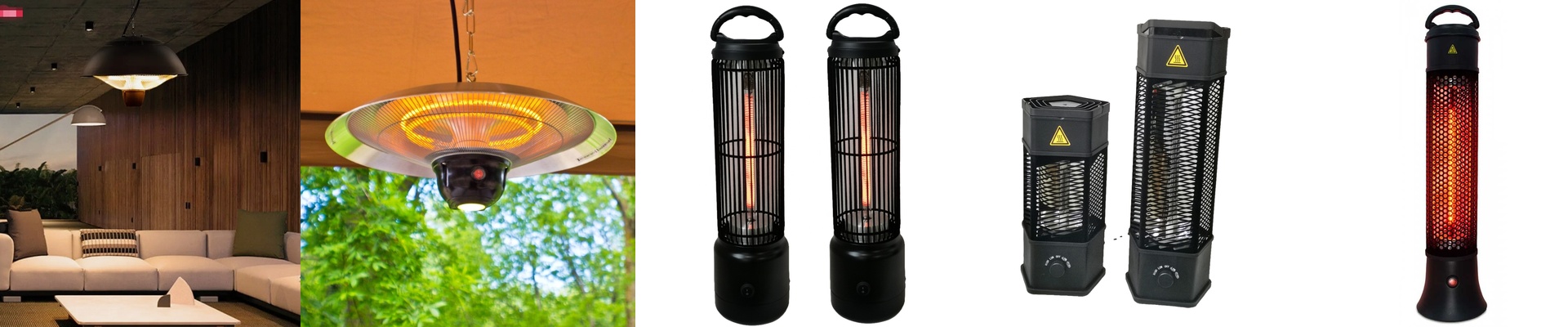
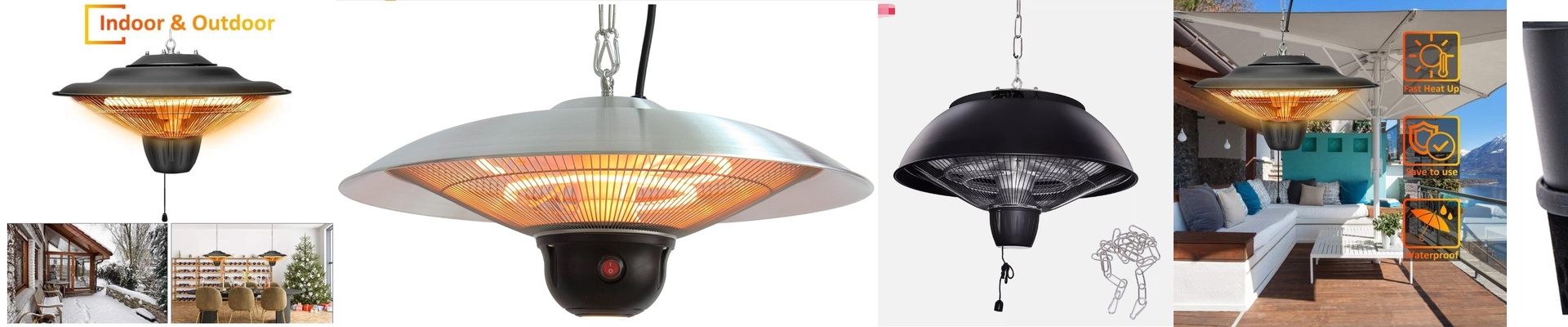
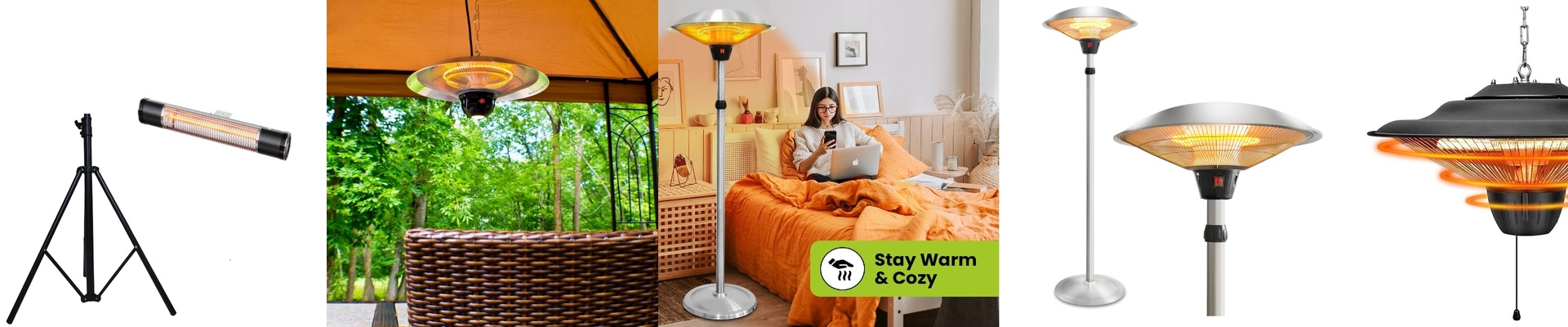

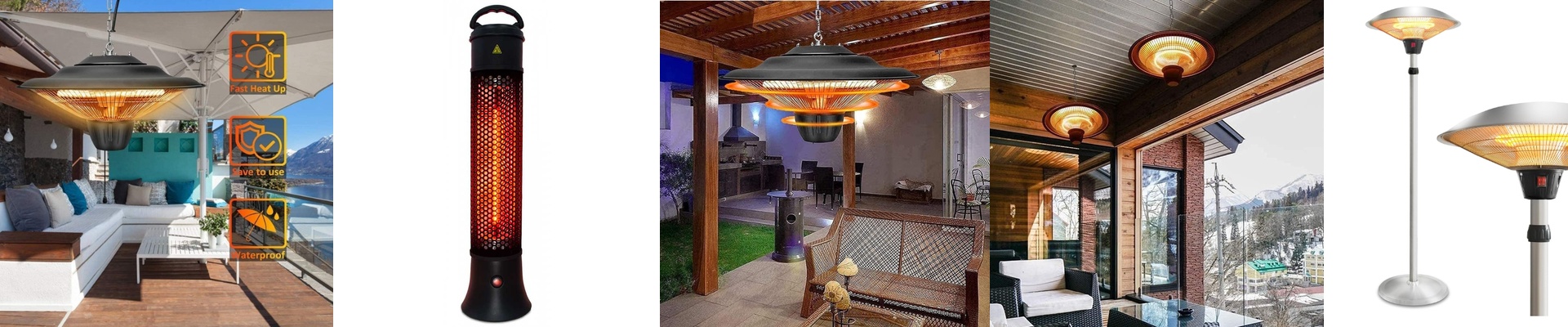
Stop the Bathroom Mold Struggle with Infrared Heat
Most of us think of bathroom heaters as a luxury—something to keep you from shivering when you step out of the shower. But if you look at it from an engineering perspective, a good IP55 infrared heater is doing a lot more than just keeping you warm. It’s actually managing the moisture in your room.
How it actually works
Here is the secret: we design these units to send out short-wave infrared radiation. Standard heaters just warm up the air, but infrared is different. It hits the surfaces directly. Your walls, your ceiling, your floor—they all soak up that heat. When the surfaces get warm, the humidity clinging to them just disappears. Mold loves two things: cold surfaces and dampness. By keeping your walls warmer than the “dew point,” you stop condensation from ever settling. You aren’t just warming yourself up; you’re basically drying out the entire room.
Built for the steam
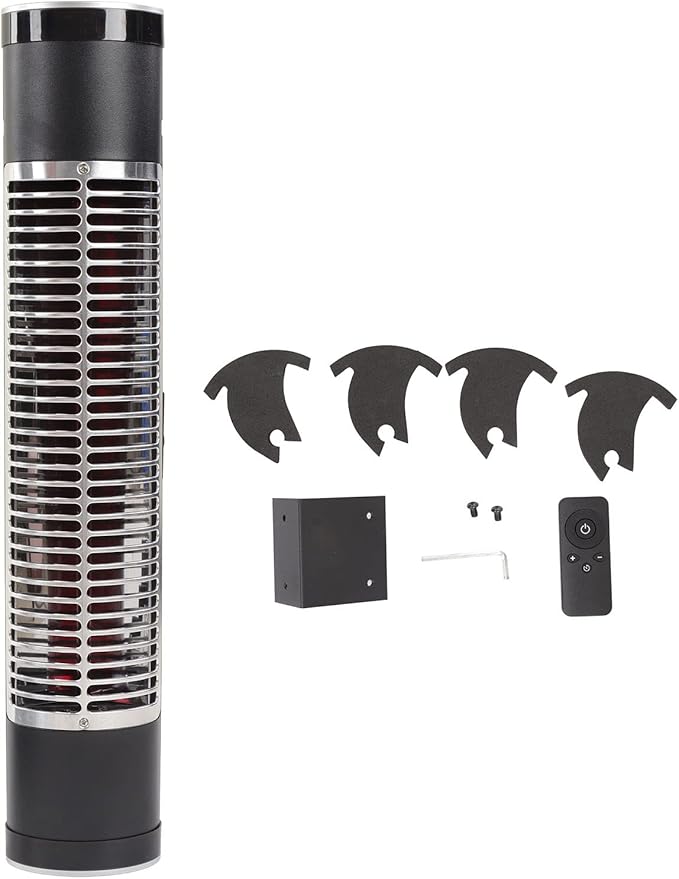
Let’s be honest: bathrooms are a nightmare for electronics. Steam and splashes kill gear. That’s why we use an IP55 enclosure. In plain English? It means the housing is sealed tight against dust and can handle water splashes without shorting out. It’s built to take a beating. Inside, we use high-density quartz elements. These things are fast. Really fast. You don’t have to leave the heater running for an hour to feel a difference; it hits operating temperature almost the second you flip the switch.
A few things to watch out for
You can’t just slap these anywhere. Positioning is everything. If you mount the heater too low, you’ll end up with “cold spots” in the upper corners of your ceiling. That’s exactly where mold likes to hide, so aim high to keep everything dry. And a quick heads-up on the electrics: these high-wattage lamps pull a decent amount of power. Make sure your wiring can actually handle the load. If your circuit is too weak, you’ll be tripping your breakers all winter, and nobody wants to deal with that.