



Getting Heat Right in the Smart Fab
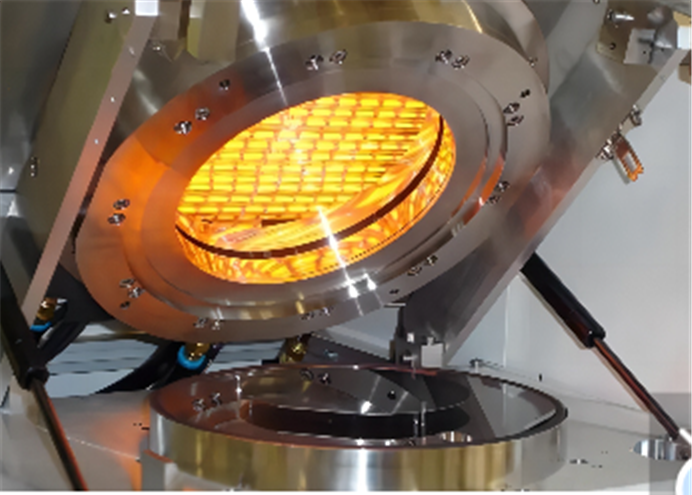
If you’re mapping out a smart Fab, you’ve probably realized that the old way of heating things—just blowing hot air around—doesn’t really cut it anymore. In a clean room, air turbulence is your enemy. You can’t have particles drifting wherever they want. That’s why we lean on infrared (IR) systems. Instead of fighting with the air, IR sends energy straight to the workpiece. It’s clean, it’s direct, and it keeps the rest of your environment stable.
Control That Actually Keeps Up
Data is everything in a digital setup, but data is useless if your hardware is sluggish. Old resistive heaters are a pain; they take forever to hit the right temperature. IR is different. It’s almost instant. We hook these systems directly into your PLC loops and PID controllers so you get a tight, snappy feedback loop. It makes those fast ramp-ups and cool-downs a breeze, which is a lifesaver when you’re juggling a bunch of different small batches.
Saving Space (and Sanity)
We make sure these heaters play nice with clean room rules. No shedding, no weird gases—nothing to contaminate your work. Plus, the footprint is tiny. An IR array doesn’t hog the floor, leaving you plenty of room for your robots and AGVs to move around. Since shortwave and medium-wave emitters focus the heat exactly where it needs to go, you aren’t accidentally heating the entire room. Your HVAC system will thank you.
The Reality Check
Now, it’s not all magic. There are a few things you have to watch out for. High-density IR arrays pull a lot of power. If you’re installing several high-wattage banks, make sure your electrical panels can handle that initial surge of current. And a quick tip on sensors: make sure they’re calibrated for radiant heat. If you’re measuring ambient air temperature, your logs are going to be a mess. Also, don’t skimp on the cooling for your control electronics. If that heat drifts back into your sensors, you’ll start seeing signal noise that’ll drive you crazy.