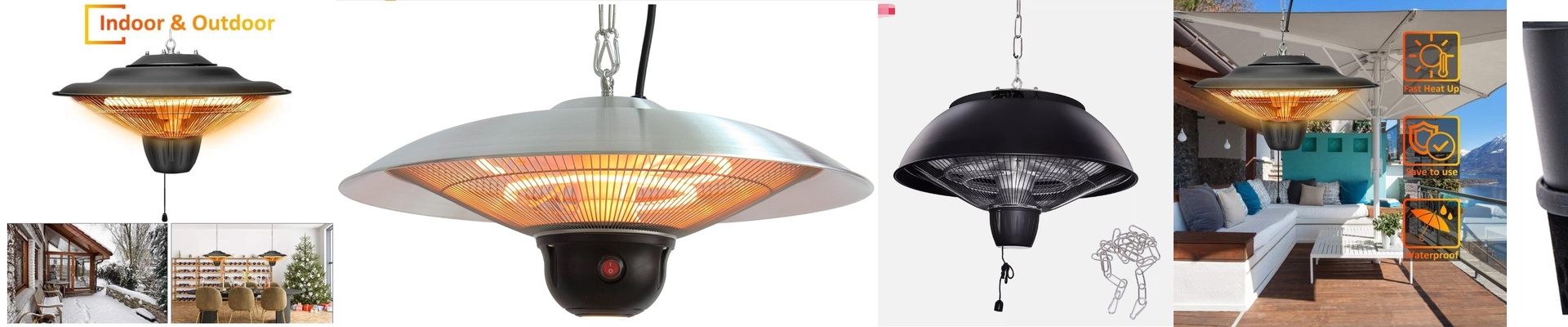
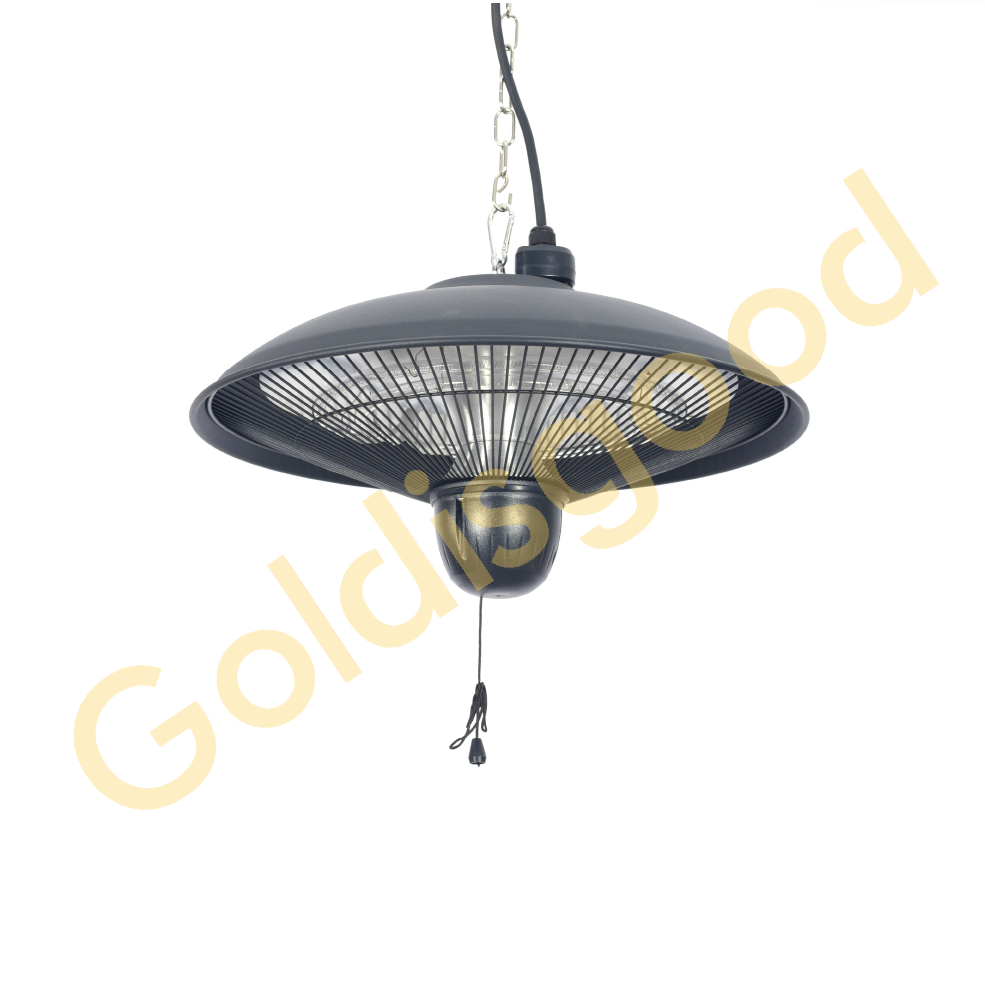
How to Pick the Right Wattage for Your Bathroom Heater
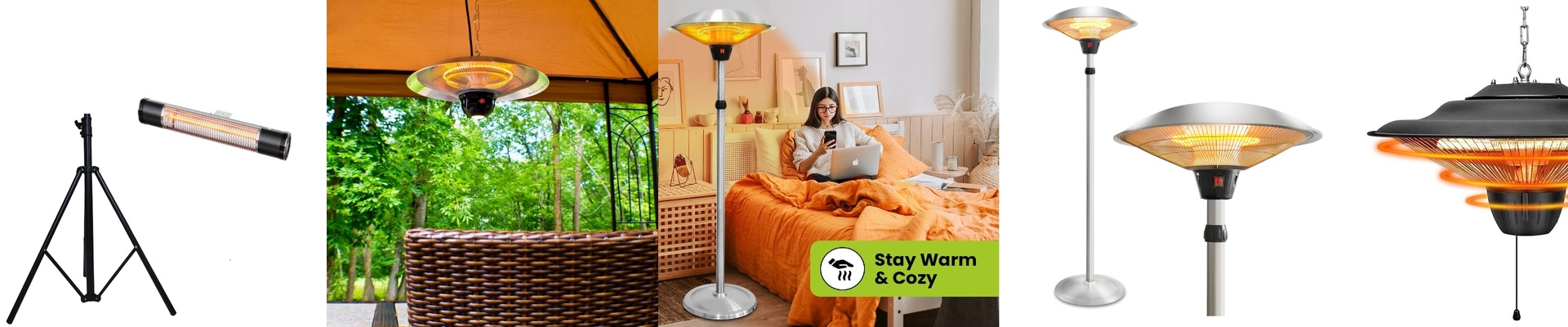
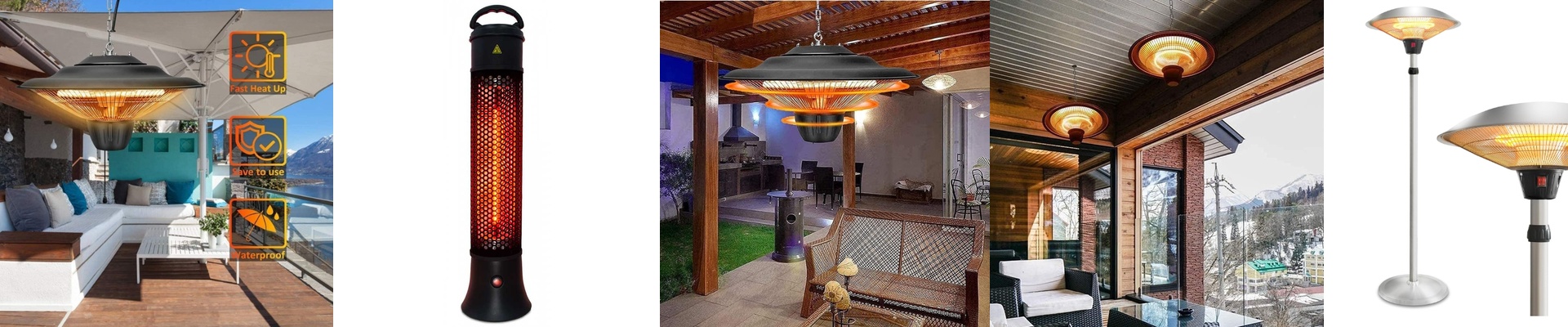
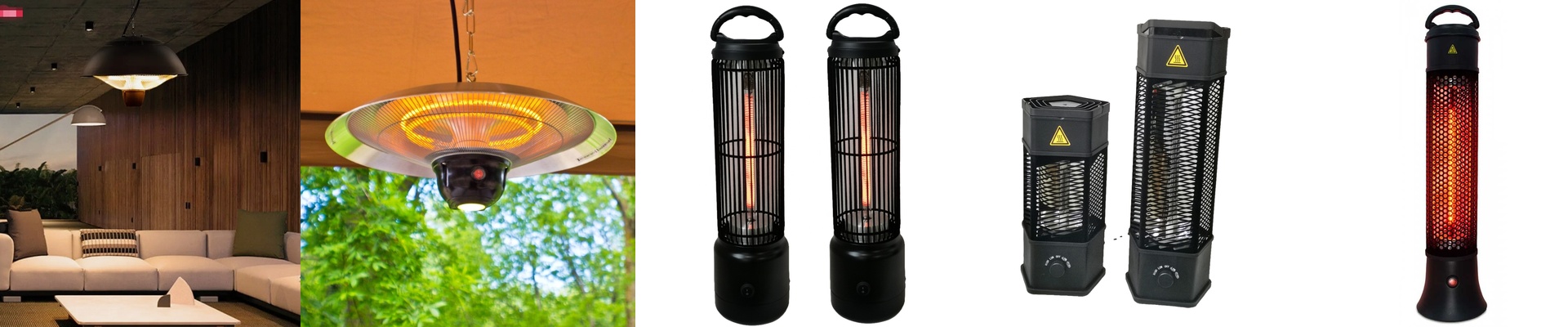
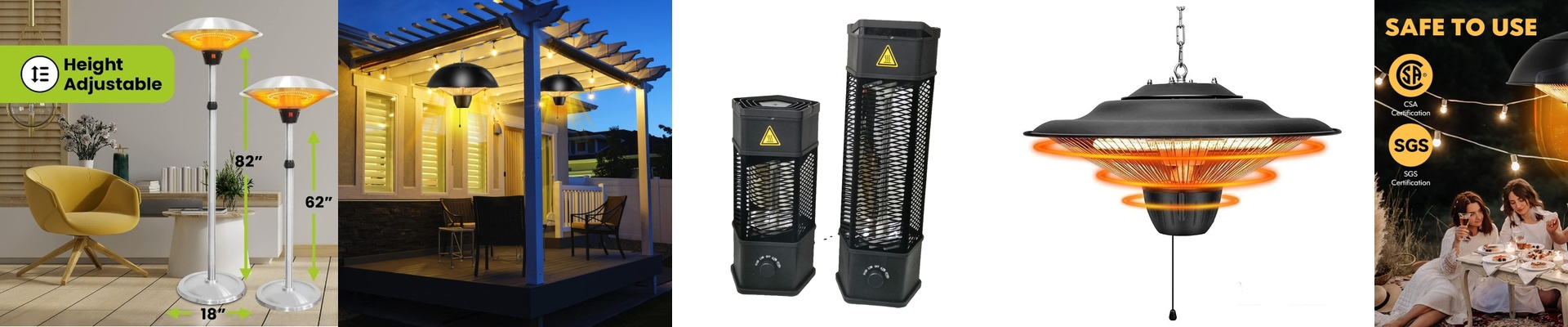
Let’s be honest: there is nothing worse than stepping out of a hot shower into a freezing bathroom. It’s a shock to the system. But if you’re picking out a ceiling-mounted infrared heater, you don’t want to just guess on the wattage. Get it wrong on the low side, and you’ll be standing there wondering why you even bought the thing. Go too high, and you’re just throwing money away—or worse, overheating the fixture. Getting the power right for your space It mostly comes down to how much room you’re trying to cover. If you’ve got a tiny powder room (under 4m²), a 400W to 600W lamp is usually plenty. It creates a nice, cozy bubble of heat right where you need it. For a medium-sized bathroom (4-8m²), you’ll want to bump that up to somewhere between 800W and 1200W. If you’re dealing with a massive master bath, don’t try to do it with one giant lamp. You’ll end up with “cold spots.” Your best bet is to use a few lamps spread out across the ceiling. Here is the trick: infrared doesn’t actually warm up the air. It warms you. Think of it like the sun. Because of that, you have to think about the “throw.” If your ceilings are high, you need more wattage just to make sure that heat actually reaches the floor before it dissipates. The trade-off with high power More wattage means a hotter filament. Now, that’s great for getting warm fast, but it puts more stress on the lamp. It can shorten the lifespan if you’re constantly pushing it to the limit. Plus, you have to think about where the lamp is sitting. If you cram a 1500W lamp into a tight, unvented ceiling box, things get risky. You could warp the reflector or even fry your wiring. Give the hardware some room to breathe. Saving a bit on the electric bill The best part about infrared is that it’s instant. There’s no waiting twenty minutes for a radiator to warm up. You flip the switch, and you feel the heat immediately. Because it’s so fast, you shouldn’t leave these things running. Pair your heater with a simple timer or a motion sensor. That way, the second you walk out the door, the power cuts off. It’s a much smarter way to stay warm without watching your energy bill skyrocket.