
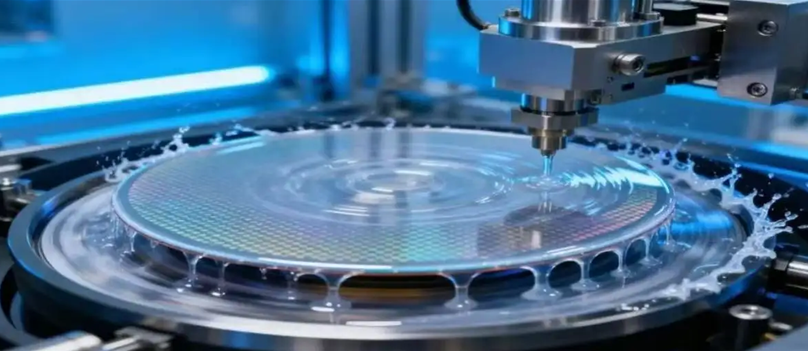
IR Heating vs. Forced Hot Air: A Better Way to Dry MEMS Wafers
If you’ve spent any time in a MEMS fab, you know the drill. After wet etching or cleaning, you’ve got to get that moisture off the wafers. Most of the older lines we see still rely on forced hot air. It works, sure, but it’s slow. Lately, more engineers are switching over to infrared (IR) heating. Why? Because they’re tired of waiting.
The problem with “waiting for the air”
Here’s the thing about hot air: it’s a slow process. You have to heat the air, which then heats the chamber, which eventually heats the wafer. It’s a lot of middle-men. In a high-volume setup, that lag becomes a massive bottleneck. IR heating just cuts through all that. Instead of warming the room, the radiant energy hits the wafer surface directly. We use short-wave IR emitters to make this happen. They make the water molecules vibrate almost instantly, flashing them into vapor. You aren’t standing around waiting for a blower to reach the right temperature. We’re talking about dropping drying cycles from minutes down to a few seconds. It’s a night-and-day difference.
Saving space on the floor
Plus, swapping out a convection oven for an IR array gives you a ton of room back. You can ditch the massive ducting and those oversized blowers. All you really need is a steady power supply and a control loop that actually works. We usually wrap these systems in quartz to keep things clean. Since the energy transfer is so fast and concentrated, you can actually move wafers through on a conveyor. No more batching them in a big chamber and waiting for the whole group to finish.
The catch: It’s powerful stuff
Now, IR is fast, but it can be aggressive. If your emitters aren’t placed just right, you’ll get hot spots. That’s where things get risky. Too much heat in one spot can warp those thin MEMS membranes or leave you with weird, uneven drying patterns. You have to be really picky about your sensor feedback loops. If your PID controller is sluggish, you’ll overshoot your target temperature and potentially fry your sensor structures. You’re basically trading the slow, gentle warmth of air for something much faster and more directional. It’s a huge win for speed, as long as you keep a close eye on the heat.