

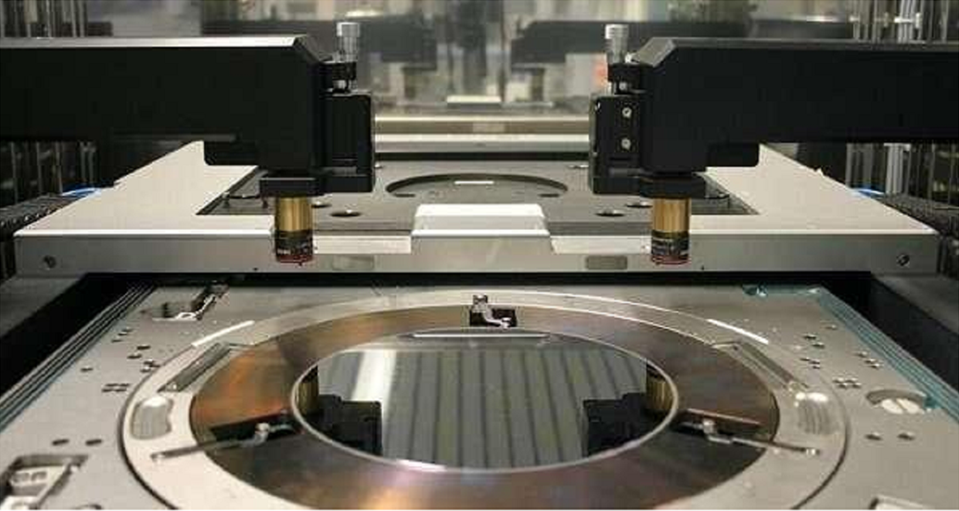
On the fab floor, you don’t get any slack. A 2% swing in photoresist thickness or one microbridge can kill an entire lot. The thermal step—soft bake or hard bake—is where yield lives or dies. Standard lamps drift. They create hot spots. And they shed particles. What you need is wafer-level control that hits your process spec, not your “tolerance.” What matters, technically We built the wafer drying lamps around ±0.1°C thermal uniformity across the wafer plane, with closed-loop control that holds repeatability even under tight thermal budgets. The emitters are cleanroom-ready—rated for Class 1–100—and run with zero particle emission once they’re steady. Short-wave infrared gives fast, non-contact heating, so you get less thermal lag and you don’t stress delicate stacks. Output holds within 2% over 5,000+ hours, and the lamps drop straight into standard track ports—defined voltage, dimensions, and connectors—for a straight swap. Why it holds up in lithography In lithography, photoresist needs a tight soft bake to manage solvent removal and line-edge roughness, then a consistent hard bake before etch and lift-off. With these lamps, you get uniform temperature across the batch, so critical dimension control stays in spec and defect density drops. You also get faster ramp-to-setpoint, less scrap, and lower energy draw because coupling is efficient. Operators see fewer excursions, and maintenance sees fewer lamp changes—uptime that stays predictable. Here’s what to plan for These lamps work with most track platforms, but integration always comes down to chamber geometry and airflow. Plan on cleanroom-rated wiring and confirm exhaust routing so laminar flow stays intact. For the best uniformity, align the lamp to the wafer plane within tolerance and calibrate it with your thermal sensor. Expect a slightly longer warm-up to stabilize emission, but once you’re set, the process stays locked.