Making Your Waterproof Heating Tables Smarter
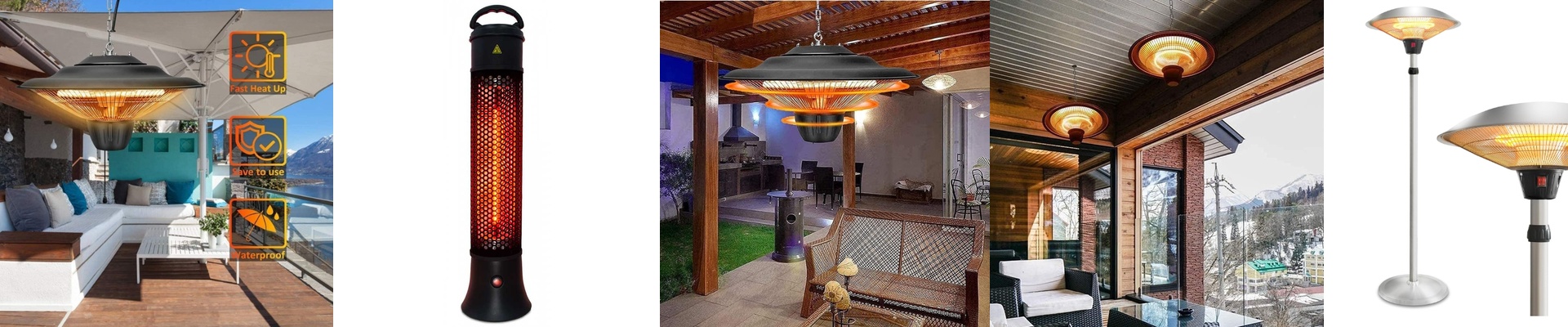
We build our heating tables to an IP44 standard. In plain English? They can handle a few splashes and aren’t going to freak out if some dust or small debris gets on them. This is great for those “in-between” spots. Think of a covered patio or a steamy bathroom. You can set them up without that nagging worry that a few stray drops of water will blow a fuse or short the whole thing out the second you turn it on.
Heat that actually hits you
Here is the cool part about infrared: it doesn’t bother heating up the air around you. Instead, it sends warmth straight to whatever it’s pointing at. When you hook this up to a smart home hub—using something like a Zigbee or Wi-Fi relay—you get rid of that annoying waiting period you get with old-school heaters. You just tap a button on your phone, the relay clicks, and you’re warm in seconds. It’s almost instant.
A quick warning on the wiring
If you’re planning to make these “smart,” don’t just grab the cheapest 10A switch you find online. These tables pull a lot of power. If you use a flimsy switch, it’ll probably fry. You’ll want a heavy-duty contactor. Think of the smart hub as the “brain” that tells the contactor to do the heavy lifting. The hub triggers the coil, and the contactor handles the actual power surge to the heating elements. This keeps your fancy smart electronics safe and far away from the high-current heat load.
A few things to keep in mind
Just a heads-up: IP44 is a great start, but it doesn’t mean you can dunk the table in a pool. If you’re putting these in a really damp area, make sure your cable entries are sealed tight with proper glands. Also, remember that infrared heat travels in a straight line. If you’ve got a smart automation turning the heat on, but there’s a chair or a wall blocking the table, you’re just paying to heat a piece of furniture. Give the unit a clear line-of-sight to where you’ll actually be sitting to get the most bang for your buck.