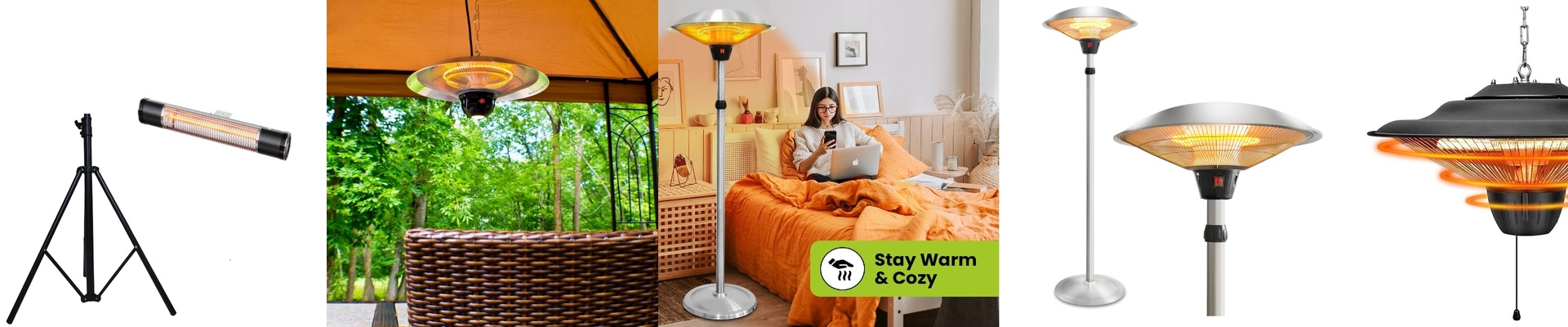




Picking out an infrared heater for your bathroom isn’t just about grabbing the one with the biggest number on the box. If you do that, you’re probably just asking for a headache. It’s more about how much space you’re actually trying to warm up and what your walls are made of. And since we’re talking about bathrooms, water is the enemy. You’ll want a waterproof housing. Trust me, you don’t want to deal with short circuits or rusty fixtures because you skimped on the casing. Getting the size right Think about the room. A tiny powder room doesn’t need the same muscle as a massive master bath. If you’re working with a small space—under five square meters—a 400W to 600W shortwave lamp is usually plenty. It hits you instantly, which is exactly what you want when you step out of the shower. You don’t need to bake the whole room; you just need to feel warm. But for those big, sprawling bathrooms? You’ll likely need a few units in the 800W to 1200W range to get the job done. Here’s the trick: don’t overdo it. Put a massive heater in a tiny room and you’ll either trip your breaker or end up in a weird “heat pocket” that feels like a sauna. On the flip side, go too low and you’ll be dressed and gone before the lamp even starts to feel warm. How the heat actually works These lamps don’t heat the air—they heat you. It’s radiant heat. It goes straight for your skin and the tiles. Because bathrooms get steamy, we use quartz glass to protect the filament. It keeps the moisture out so the lamp doesn’t burn out prematurely. Placement is everything here. If you mount a powerful lamp too low, you’re risking a burn. Too high? You’re just wasting electricity because the heat loses its punch the further it has to travel. The wiring reality check It’s tempting to go for the highest wattage for that “instant” heat feeling. But remember, your walls are old. If you try to cram 1500W units into an old building’s wiring, your circuits might just give up. It’s a bad scene. Before you start wiring things up, double-check your wire gauge. If the wiring is too thin, you’ll get voltage drops, and your expensive new lamps will die way sooner than they should.