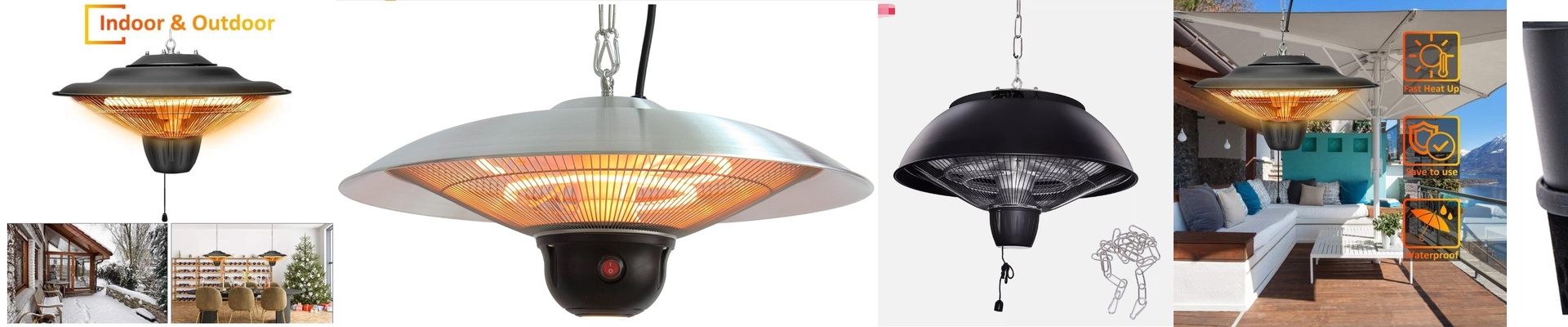
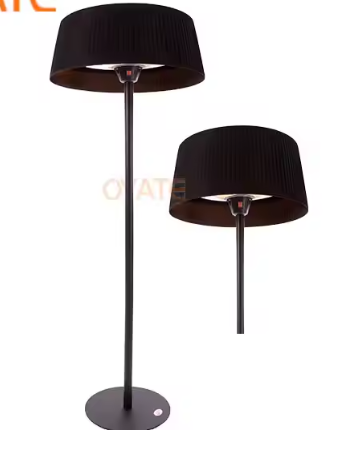
Getting Wet-Zone Heating Right with Shortwave Infrared
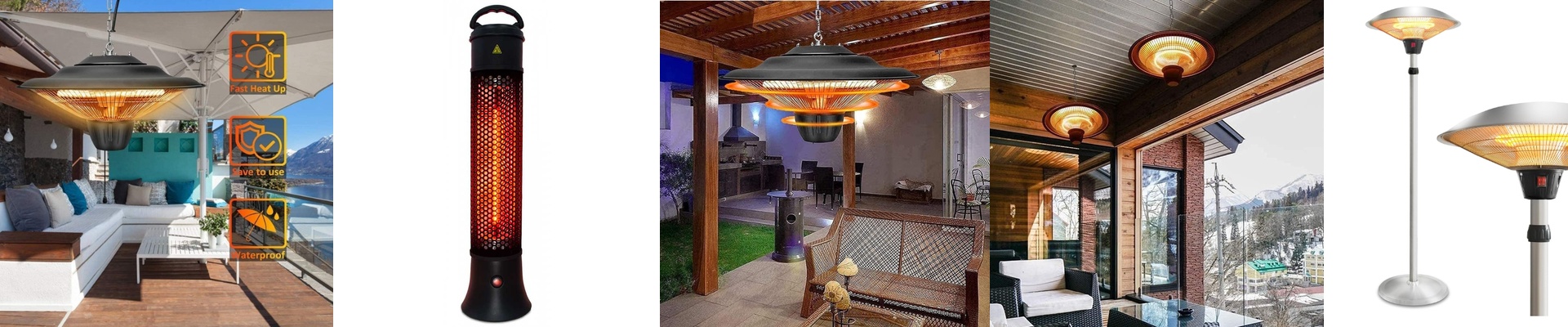
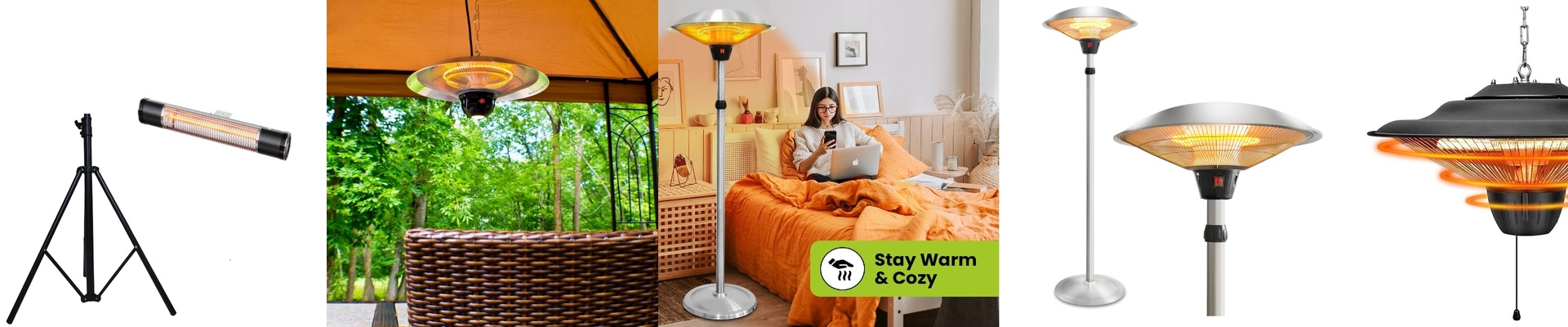
Let’s be honest: nobody likes shivering in a cold bathroom while trying to get changed. If you try to use a standard heater in a drafty changing area, you’re basically fighting a losing battle. You’re trying to warm up the air, but the air just escapes. It’s slow, it’s frustrating, and by the time the room feels “warm,” the person has already left. That’s why we use shortwave infrared (SWIR). Instead of messing around with the air, these emitters beam heat directly onto the person. It’s the difference between waiting for a room to warm up and stepping into a patch of sunlight on a winter day.**It’s instant.**You flip a switch, and you feel it immediately.
The nitty-gritty of how it works
Standard heaters are a bit too passive for this. We need something that hits hard and fast. Our lamps send out electromagnetic waves that go straight through the air and soak into the skin and clothes. We push the power density on these units because we want that “wow” factor—that feeling of total warmth the second you step under the lamp.
Dealing with water (the scary part)
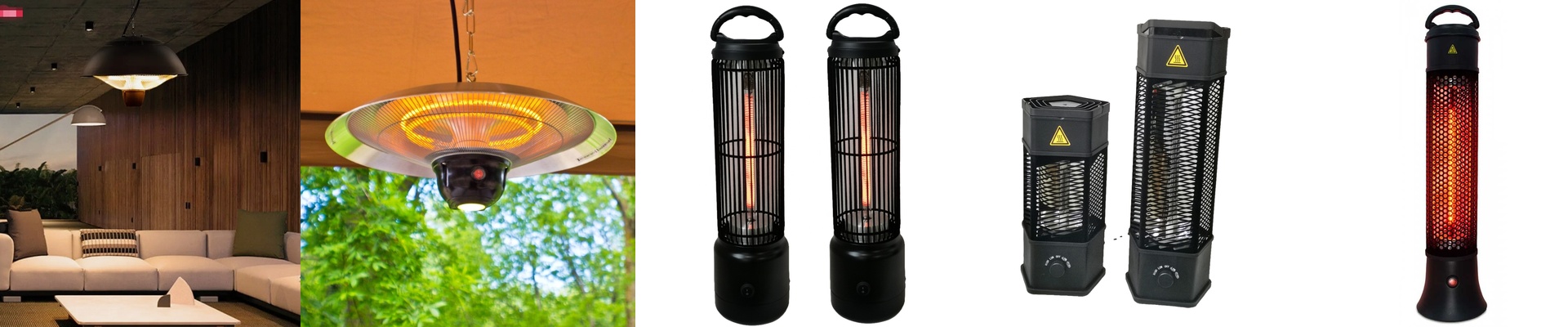
Water and high-voltage electricity are a terrible mix. We know that. To keep things safe, we wrap the emitters in IP-rated enclosures. Inside, you’ve got a tungsten filament tucked away in a high-purity quartz tube. But here is where a lot of people mess up: the seals. In a humid environment, your gaskets have to be able to handle the heat of the lamp without degrading. If the seal fails, oxygen or water spots get onto the quartz, and your filament will burn out way sooner than it should.**Check your gaskets.**It’s a small detail that saves a lot of headaches later.
Finding the sweet spot
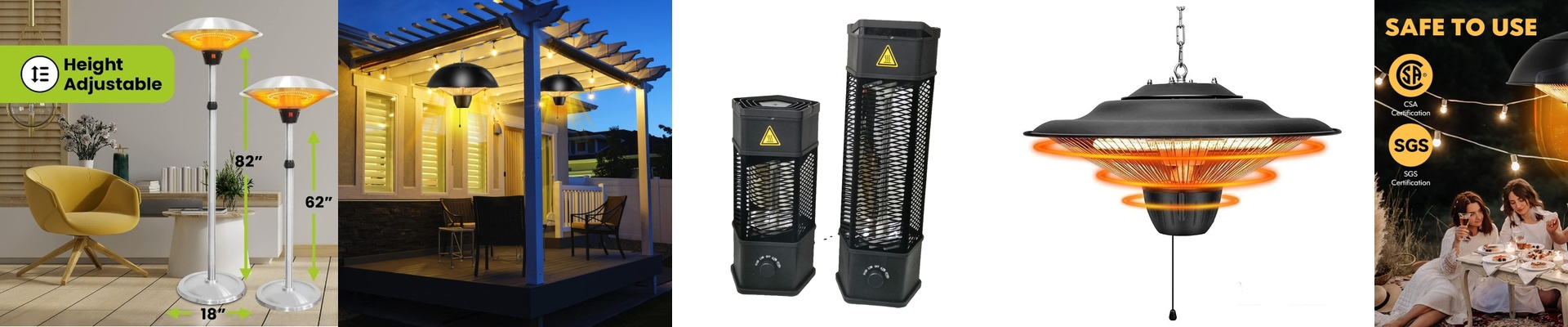
High-wattage lamps are great for speed, but they can be a bit aggressive. You have to be really careful with where you mount them. If they’re too low, you’re basically putting the user in a microwave—it’s too intense. Too high, and that “magic” radiant heat just vanishes before it reaches them. It’s all about the distance. You need to find that perfect balance between the heater’s footprint and where the person actually stands so you get a cozy glow instead of a hot spot.