
Keeping People Warm in Wet Spaces: The Truth About Shortwave IR
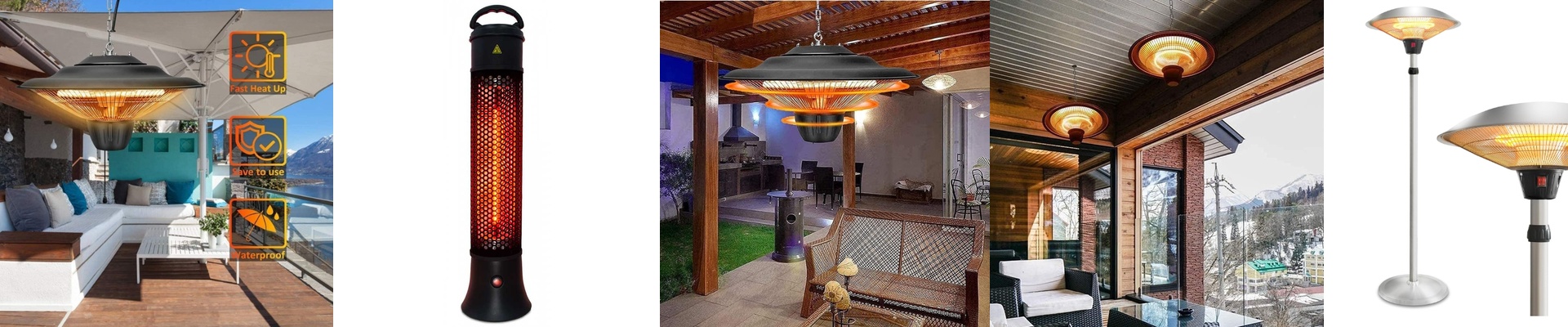
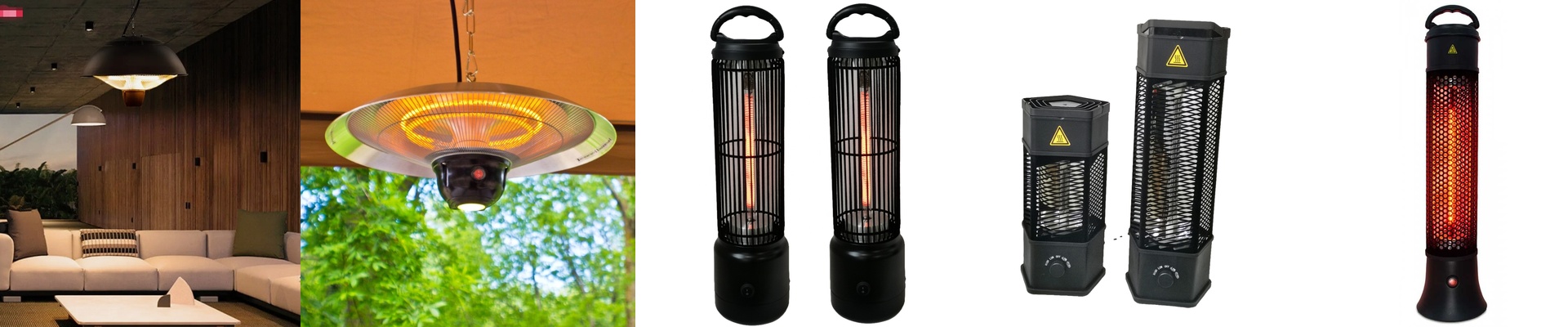
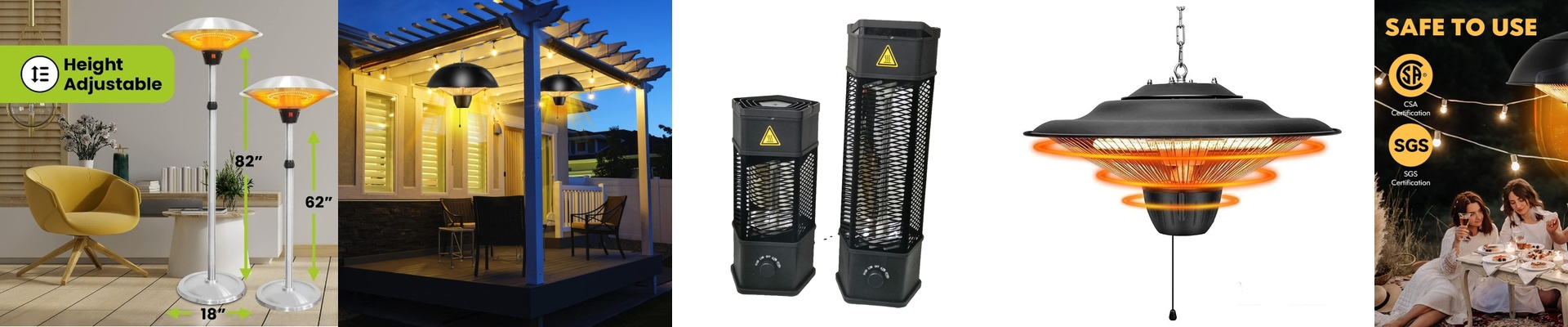
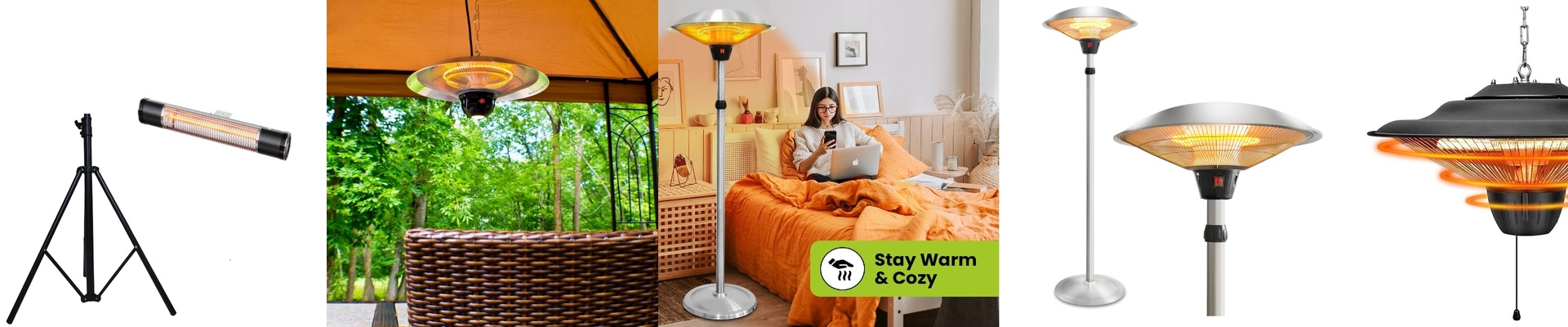
If you’ve ever stepped into a cold changing room or a damp outdoor transition area, you know the feeling. It’s miserable. You need heat, and you need it right now. The problem is that most heaters try to warm up the air. In a drafty, humid room, that’s a losing battle. The heat just floats away. That’s why we lean on shortwave infrared (IR) instead. It doesn’t mess with the air; it just hits people and objects directly. It’s basically like stepping into sunlight. The second you flip the switch, you feel it. No waiting for a fan to kick in or for the room to slowly warm up. It’s instant. We pack a lot of power into these units so they feel cozy and high-end, but they don’t take up half the ceiling. But here’s the tricky part: water and electricity are a nightmare pairing. In a wet zone, splashes and steam are everywhere. If a single drop hits a live terminal, the whole thing shorts out or burns through. To stop that, we seal everything up tight with tempered glass and heavy-duty gaskets. But you can’t just airtight-seal the whole box and call it a day. If you do, the electronics inside will cook themselves. It’s a balancing act—keeping the moisture out while letting the internal components breathe. When it comes to actually putting these in, they’re pretty straightforward. They drop right into standard commercial ceiling grids. One heads-up, though: these lamps are power-hungry. They pull a lot of current. If you try to run them on thin wiring or undersized breakers, you’re going to have a bad time. You’ll notice the heat output dropping because the voltage can’t keep up. Get your wiring right, and you’ve got a space that feels warm and welcoming the moment someone walks in.