
Getting Your Heat Right in a Smart Fab
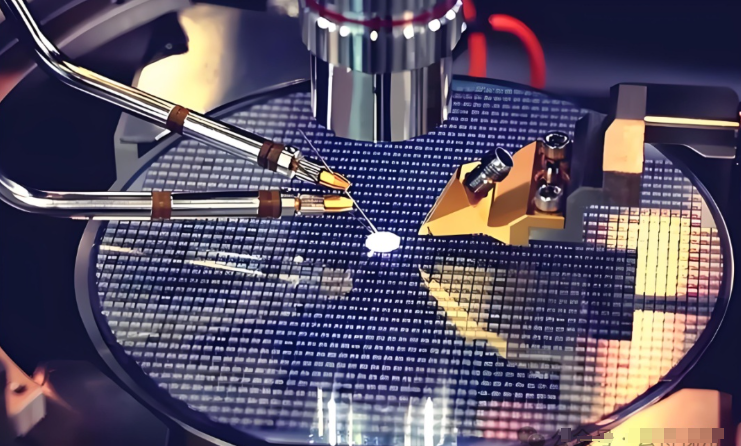
If you’re building a Smart Fab today, you have to rethink how you handle heat. The old ways of doing things just don’t cut it anymore. For wafer processing, we’re moving toward infrared (IR) systems. They’re basically the heartbeat of how we collect thermal energy and keep heating precise.
The “Goldilocks” Zone
Getting the distance between your IR emitter and the wafer just right is a bit of an art. If you push them too close? You’ll get hot spots. Those little spikes in temperature can warp a wafer in seconds. But if you pull them too far back, you’re just wasting energy by heating up the chamber walls instead of the product. We usually look at the wavelength to figure this out. Shortwave is great when you need heat to penetrate fast. Medium-wave is better if you want the surface to stay stable. It’s all about balancing the lamp’s wattage with that gap to make sure the temperature is the same from one edge of the wafer to the other.
Stop Guessing, Start Tracking
Here’s the thing: Industry 4.0 isn’t actually about the heater itself. It’s about the data. Modern IR systems plug right into your PLC networks. We use a closed-loop setup where pyrometers watch the wafer surface in real-time and tweak the power on the fly. No more manual tuning. No more “guessing” if the temp is right. You just get a clear heat map for every single batch. It’s a huge relief.
The Trade-off
High-density IR arrays are fast. Really fast. And that’s great for hitting high production targets. But there’s a catch. All that heat density puts a massive strain on your cooling. If your chiller isn’t beefy enough to handle the waste heat coming off the lamp housings, your baseline temperatures will start to drift. I always suggest over-specing your cooling loop by about 15%. It gives you a safety cushion for when the fab temperature swings. That’s how you keep things stable when you’re running 24/7.