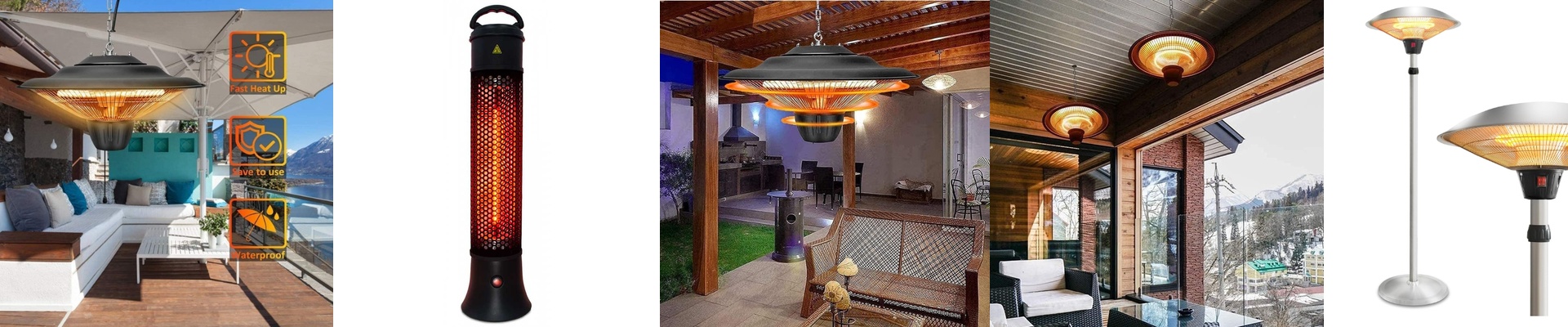
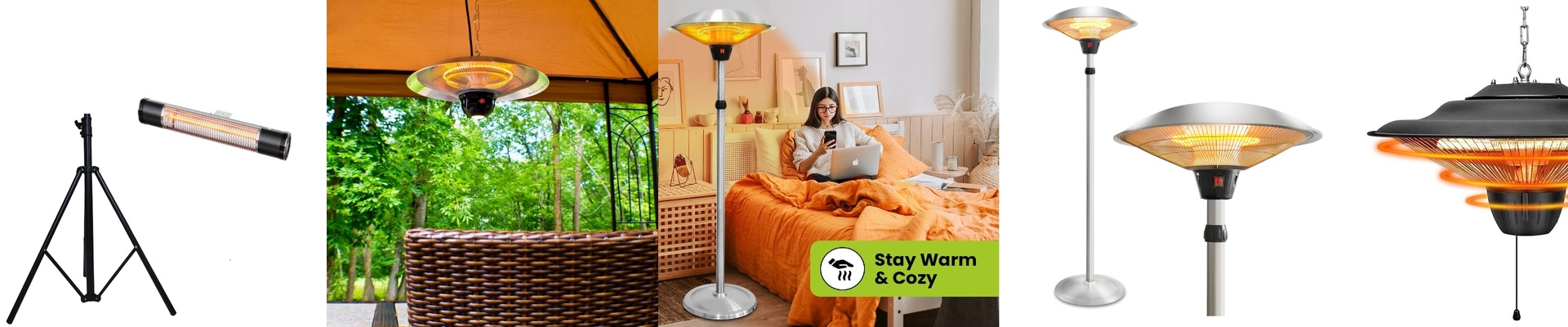
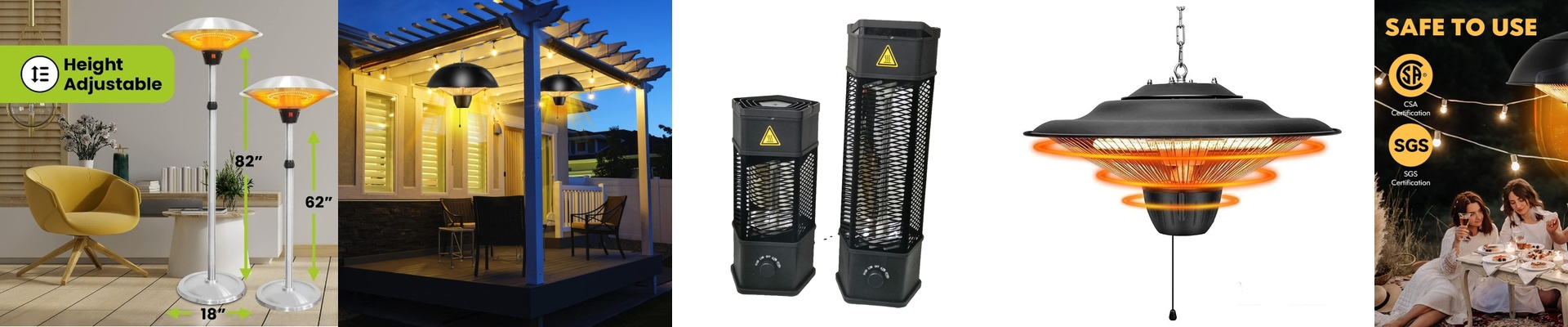
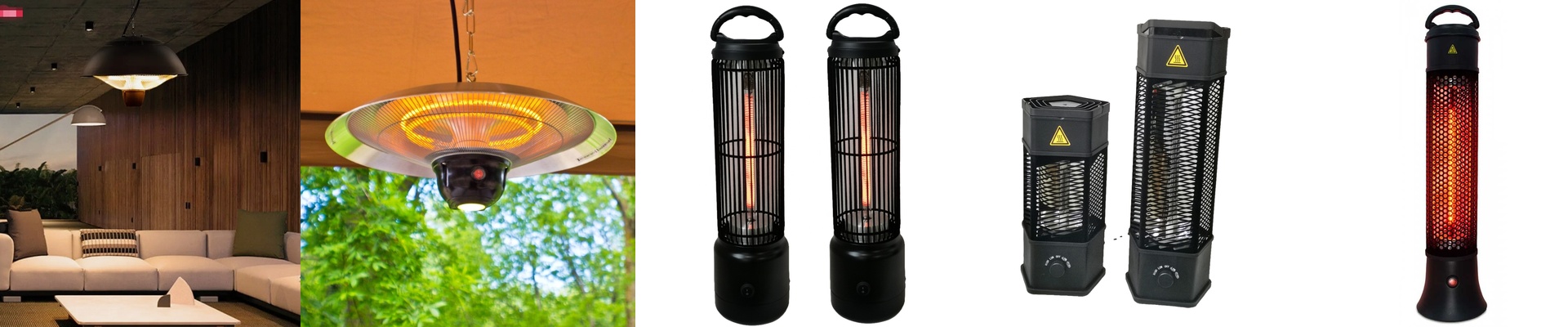
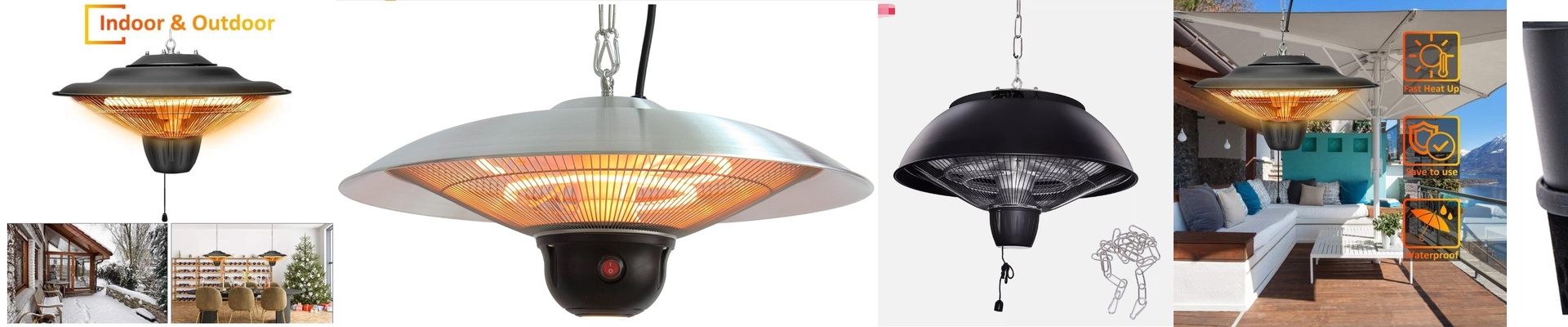
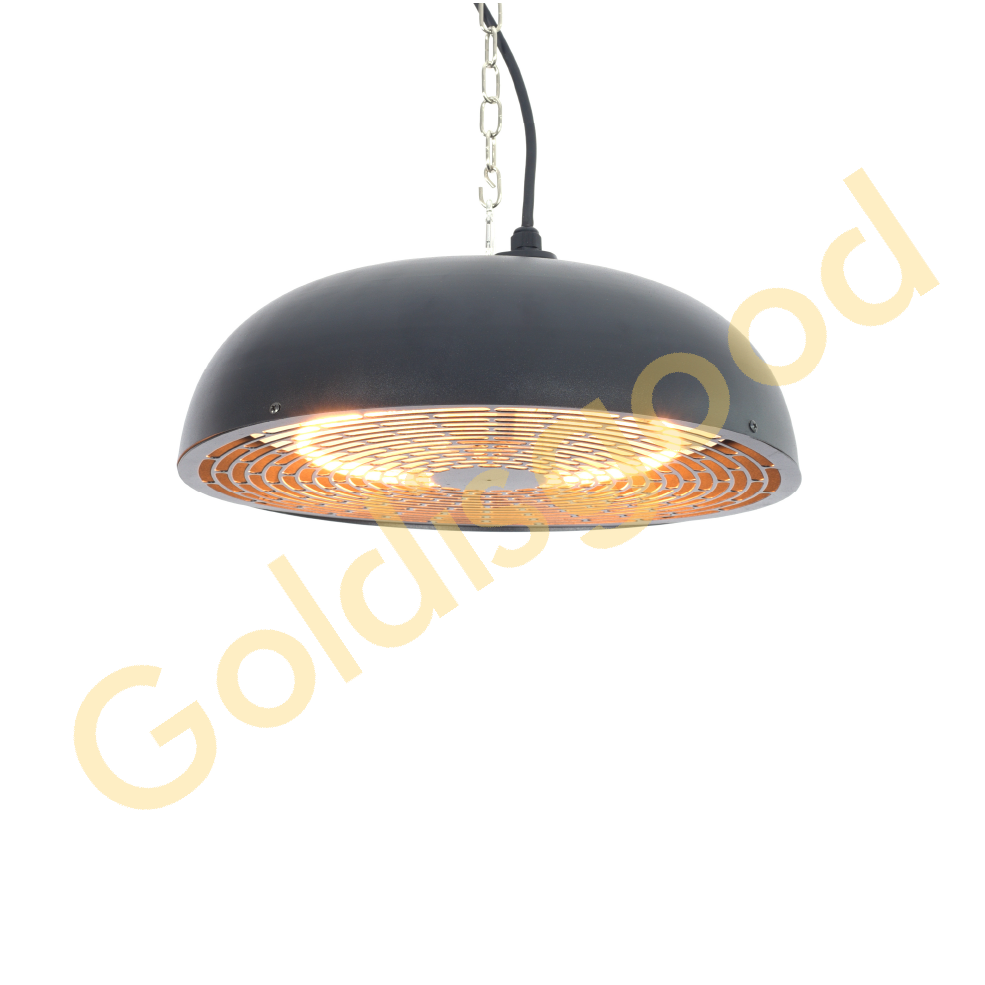
Here’s the thing about our IP65 waterproof infrared heater: we built it around one simple idea—safety, even when things get intense. When we’re sizing up a heater for a bathroom or a space that gets blasted with water all the time, we don’t just care about how hot it gets. We care about keeping all that heat—and electricity—inside, where it belongs. The IP65 rating is the first line of defense, keeping jets of water from shorting out the insides. But the real safety net? That’s the explosion-proof quartz tube. It’s the physical backup that stops a bad situation from turning into a disaster. Power, Voltage, and a Compact Design These heaters are all about packing a lot of heat into a small space. We typically set them up for high-voltage inputs, like 400V, so they can crank out serious wattage without taking up a lot of room. Imagine getting 2500W of focused heat from a tube that’s just 300mm long. It gets hot, fast. No waiting around for it to warm up. But with that kind of power comes a little responsibility on your end. You’ve got to make sure the space has enough cooling and ventilation. Without proper airflow, all that immediate heat can push the temperature around the equipment higher than it can handle. The Quartz Advantage The heart of the whole system is the quartz tube, and there’s a good reason we chose it. It’s tough as nails when it comes to handling the stress of being switched on and off over and over. And that explosion-proof design? It’s not just some marketing buzzword. It’s a structural feature. If the filament ever fails, the tube keeps the whole event contained. No sparks flying out. No shattered glass breaking through the enclosure. And the R7s or SK15 connector we use? It’s the standard for a reason. It gives you a solid, high-temperature electrical connection that’s easy to wire up and stays put, even as things heat up and expand. Safety as the Final Backup In places where the air is thick with humidity, water getting inside is always a risk. The IP65 seal does a great job of keeping it out. But the explosion-proof quartz tube is that final barrier—the last line of defense. It means that even if the absolute worst happens, the heater fails safely. It won’t set anything on fire or expose live parts. For engineers, that means you can just drop this in and know you’re meeting strict safety rules without having to redesign the whole thing. We don’t treat safety as an extra feature. For us, it’s the whole point.