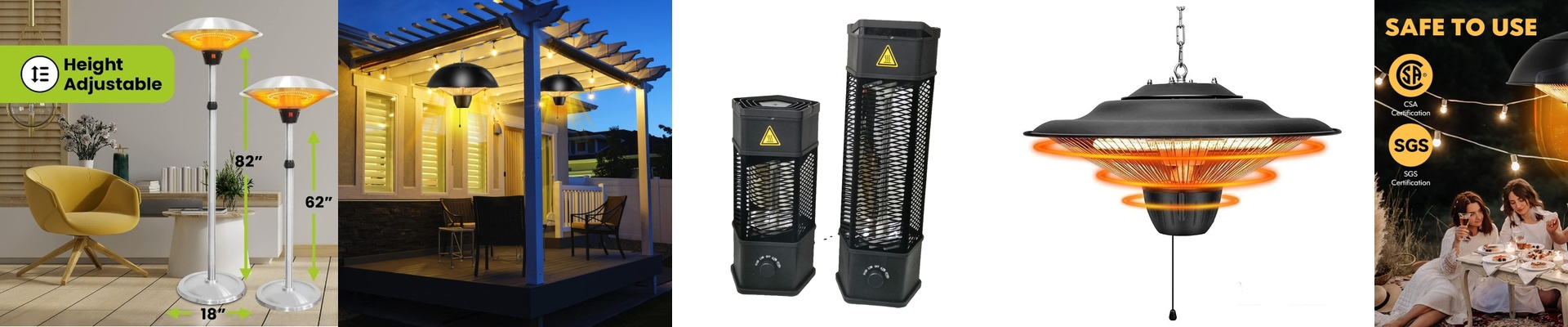
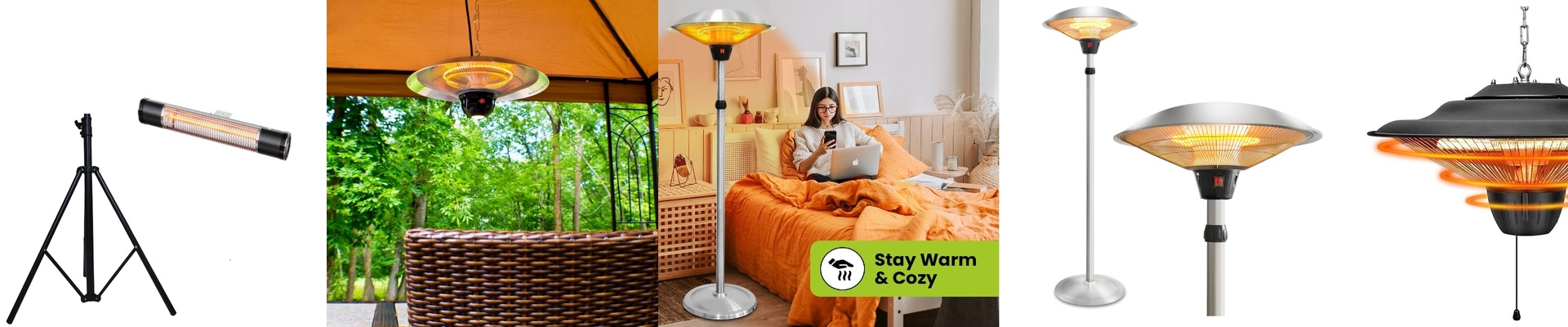
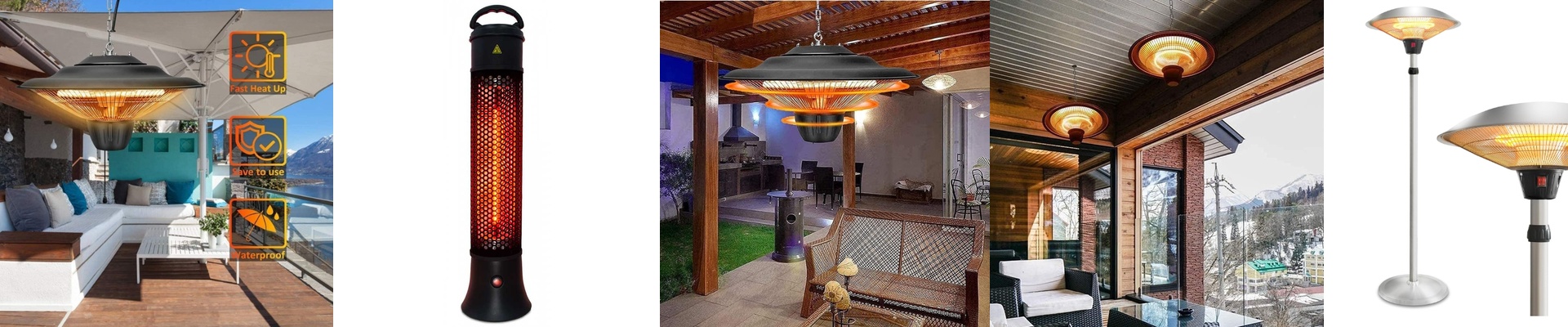
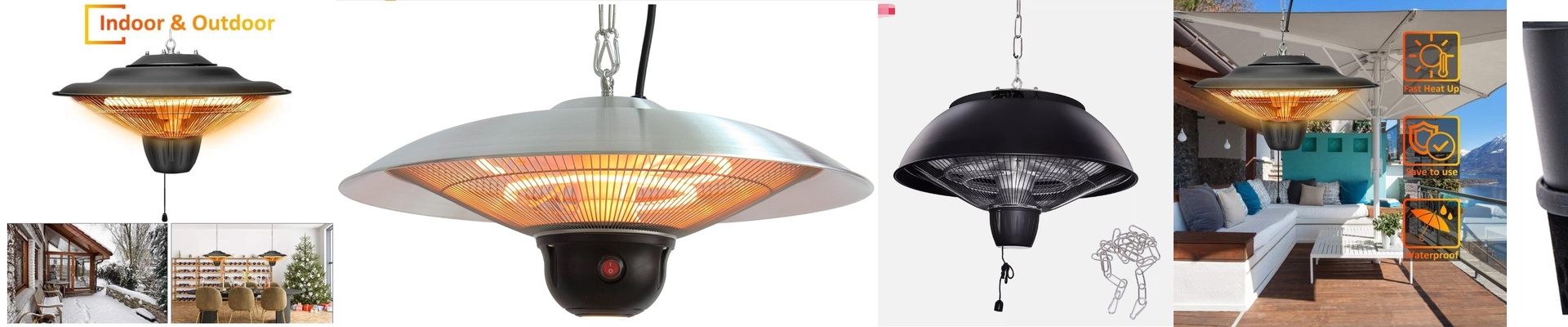
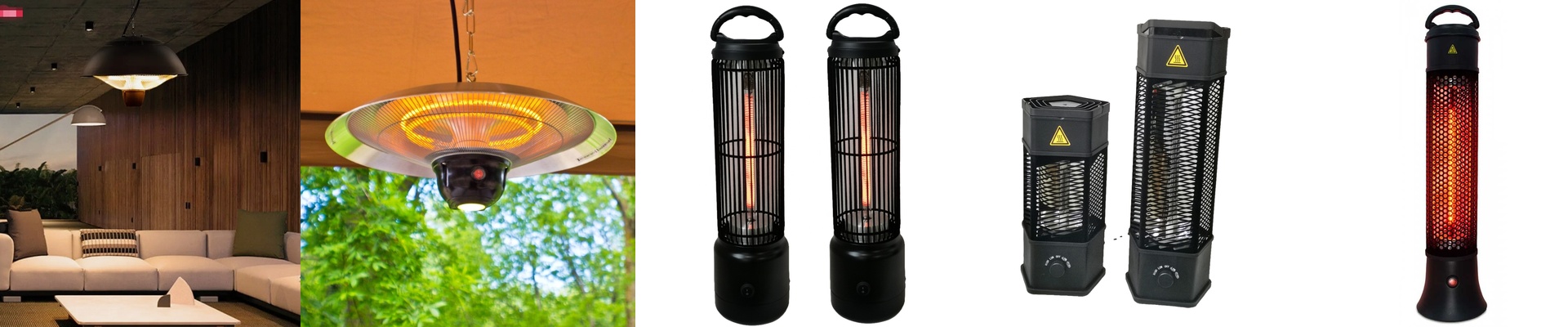
Stop Letting Your Patio Go to Waste in the Winter
It sucks watching your outdoor seating sit empty just because the temperature dropped. Most people try to fix this with standard heaters, but here’s the problem: those things just heat the air. In a breezy nightclub or an open restaurant patio, that heat just drifts away the second a wind gust hits. Your guests are still shivering. We do things differently. Our infrared heaters don’t care about the air. They target the actual people—their skin and their clothes. It’s an immediate, cozy warmth that makes people want to lean back and stay for another round of drinks.
The Nitty-Gritty on the Gear
These aren’t flimsy home heaters. We use high-wattage elements tucked inside IP65-rated waterproof casings. Basically, they can take a beating from rain, snow, or heavy humidity without blinking. If you’re planning a layout, I usually suggest spacing them every 2.5 to 3 meters. You want those heat zones to overlap. There is nothing that kills a vibe faster than a “cold spot” that makes a customer decide it’s time to head inside. One heads-up, though: the power. These units pull a lot of juice. You’ll need to check your electrical panel to make sure it can handle several 2kW or 3kW units running at once. If your wiring is old, you’re going to trip a breaker right when the venue is packed and the music is pumping. Not a great look.
Getting Them Up and Running
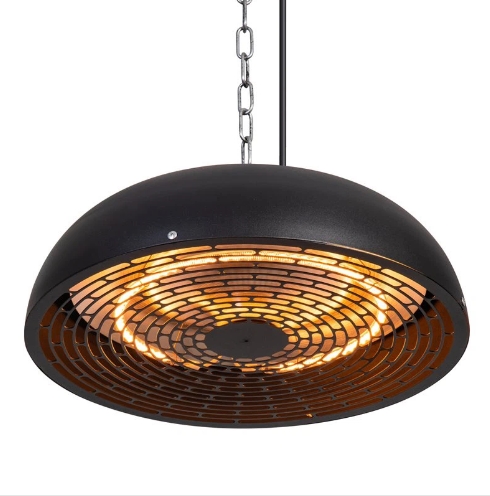
We use heavy-duty brackets to get these on your walls or ceiling. We aim them downward to get the most “bang for your buck” regarding the heat radius. We also pay a lot of attention to the seals. If moisture hits that heating element, the quartz tube can crack from the thermal shock. Our seals keep that from happening, so the gear actually lasts.
The Bottom Line for Your Business
It’s simple: warm guests stay longer. And guests who stay longer order more. By keeping your patio comfortable year-round, you’re essentially adding square footage to your business without having to build a new room. It keeps your tables turning even in the dead of winter. Just keep in mind that higher wattage means more heat, but it also means a bigger utility bill. It’s all about finding that sweet spot where your guests are toasty but your energy costs don’t eat your profits.