Stop Losing Money to a Drafty Patio
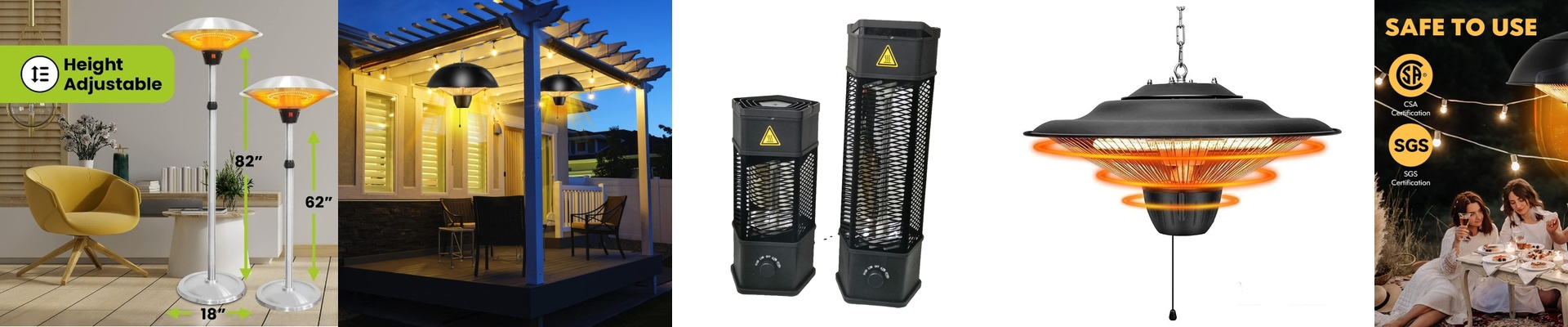
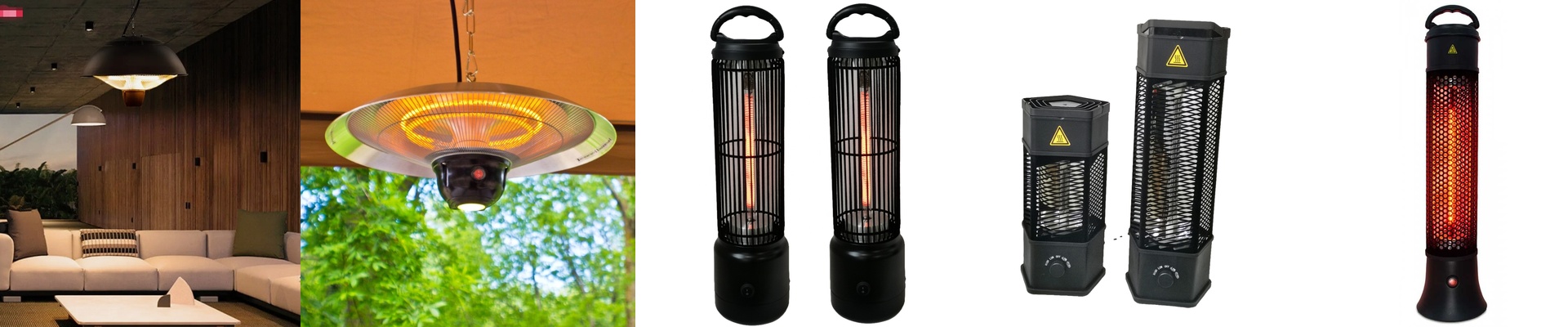
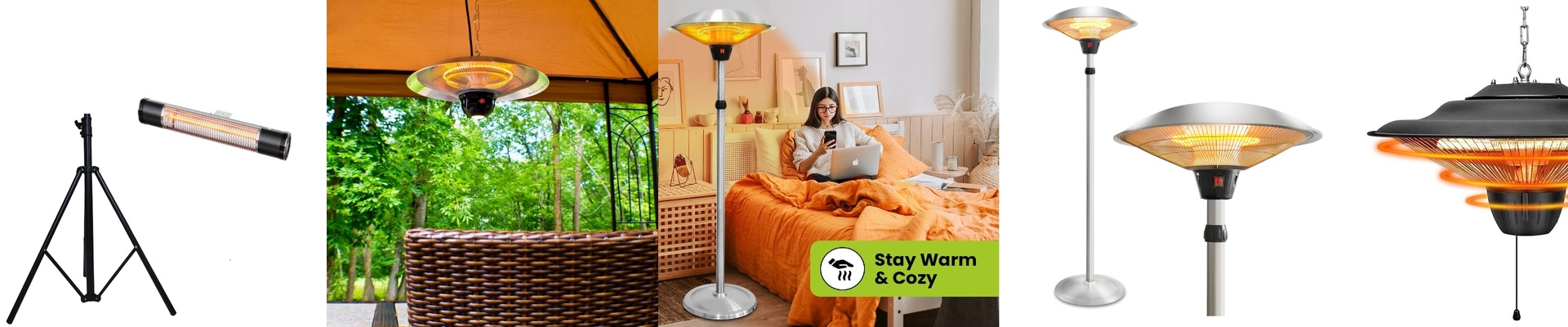
It’s a classic restaurant nightmare. You’ve got a beautiful outdoor space, but half the tables are empty because it’s just too damn cold for anyone to sit there. You’re essentially leaving money on the table—literally. Most people try to fix this with forced-air heaters, but that’s a waste of electricity. You can’t heat the wind. It just blows away. We do things differently. We use infrared heaters that beam heat directly onto your guests and their chairs. It creates a warm pocket of air that actually stays put, even when there’s a breeze.
Built for the Real World
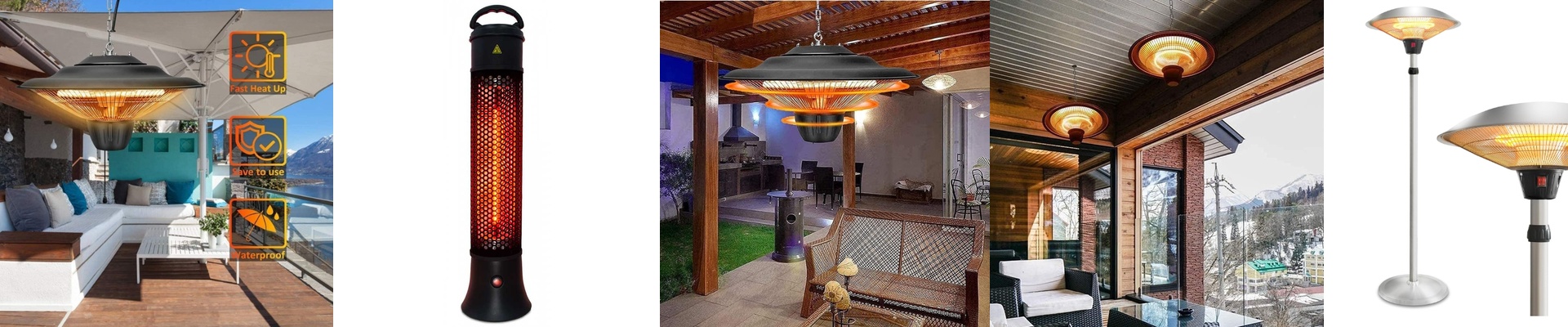
Outdoor gear takes a beating. Rain, dust, humidity—it’s a mess out there. That’s why we use IP65-rated units. In plain English? They’re sealed tight. Water can’t get inside to fry the wiring or burn out the heating elements. Instead of worrying about your heaters dying every few months, these things last for years. You can even hose down your patio without stressing about the electronics. It just works.
The “Instant Warmth” Factor
Nobody likes that awkward twenty minutes of shivering while waiting for a heater to kick in. We use shortwave infrared technology because it’s fast. Like,instantfast. The second a guest sits down, they feel the heat. When people are cozy, they linger. They order that extra round of drinks or a dessert they weren’t planning on. It keeps your seats full and your turnover steady, even in the dead of winter.
A Few Things to Watch Out For
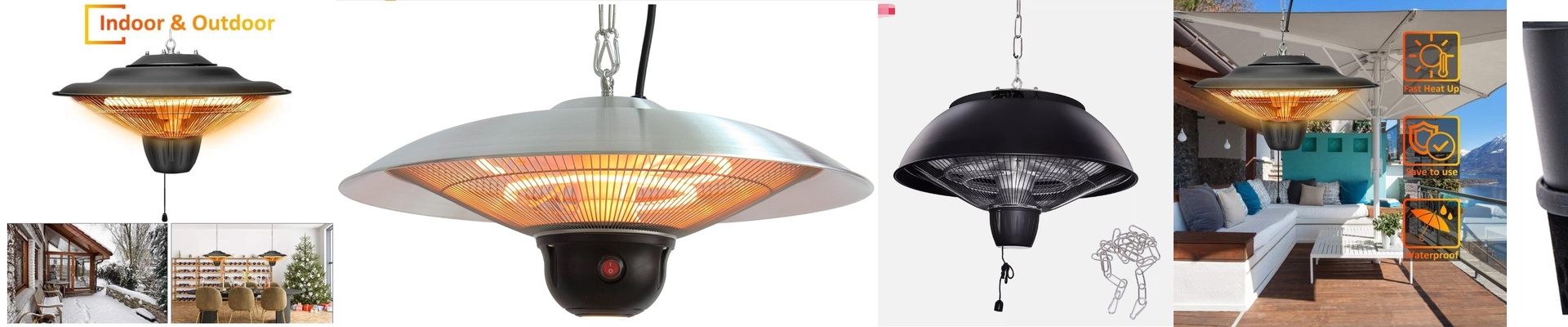
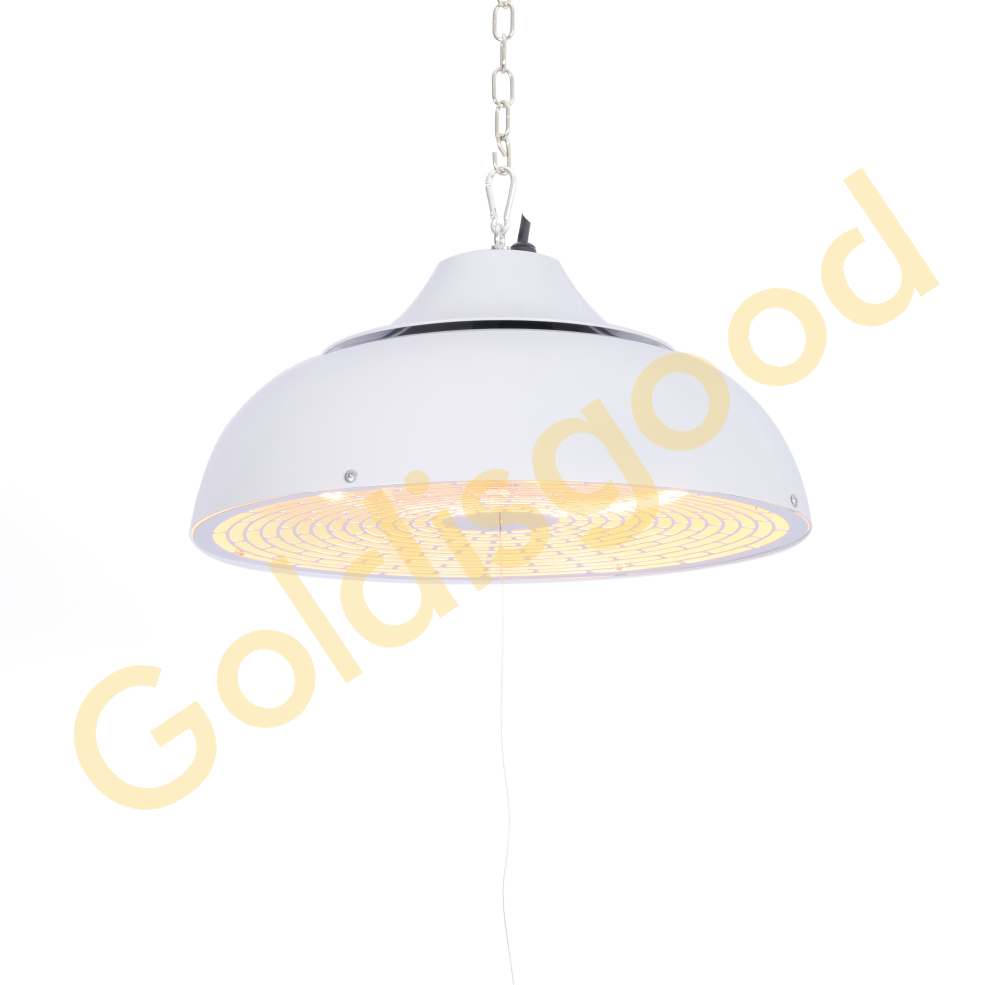
Here’s the catch: these units pull a lot of power. You can’t just plug a bunch of these into a standard wall outlet and hope for the best. If your wiring is too thin, you’re going to trip a breaker right in the middle of the Friday night dinner rush. Not a great look. You’ll want dedicated circuits for each heating zone to keep everything stable. And a quick tip on hanging them: get the height right. If they’re too high, the heat vanishes before it hits the table. Too low? Your guests will feel like their heads are in an oven. Get the placement right, and the system basically pays for itself.