Introduction
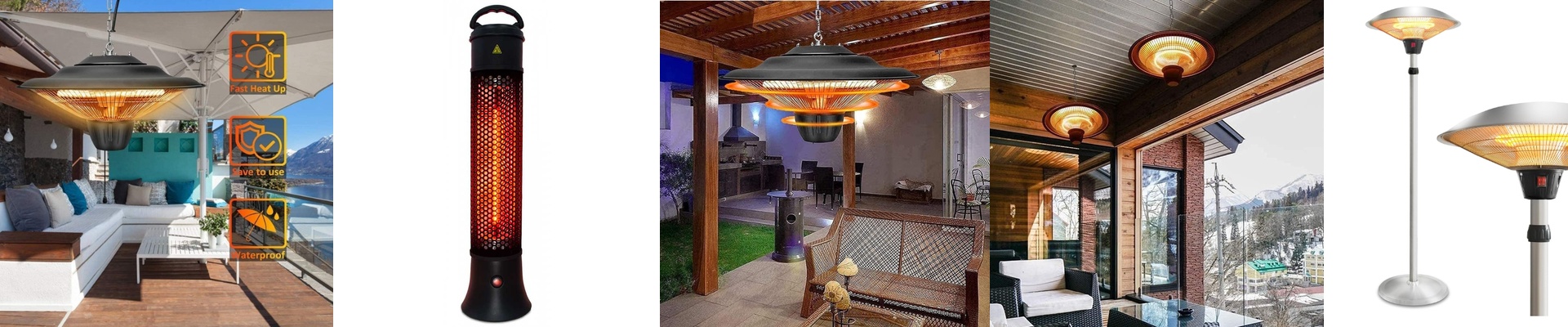
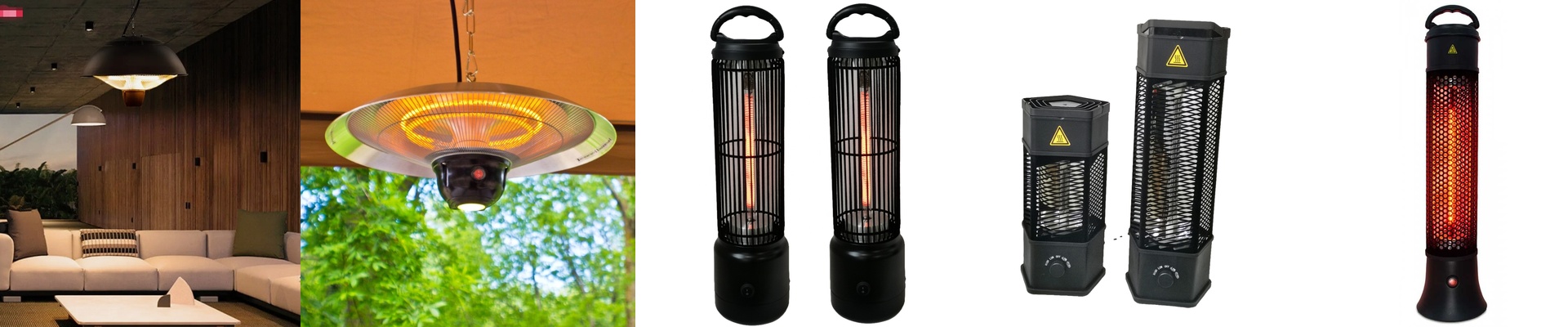
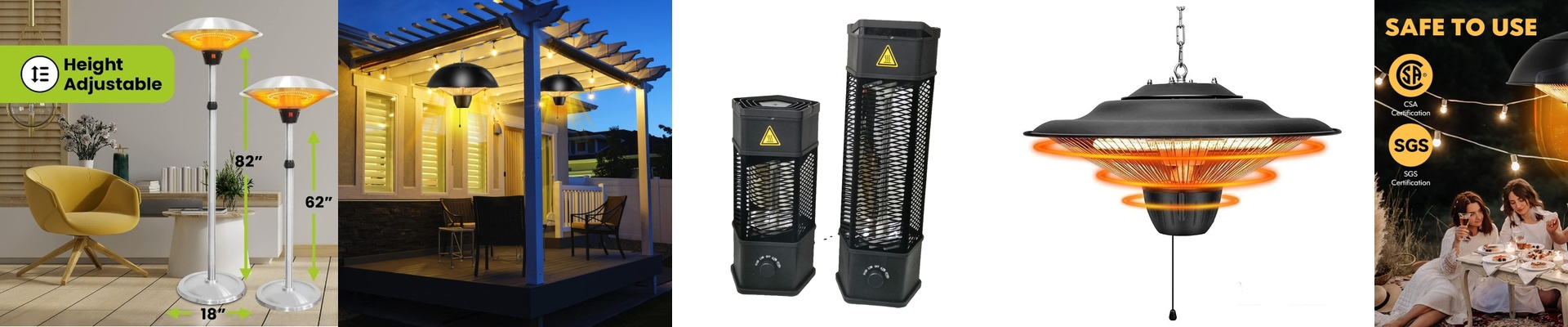
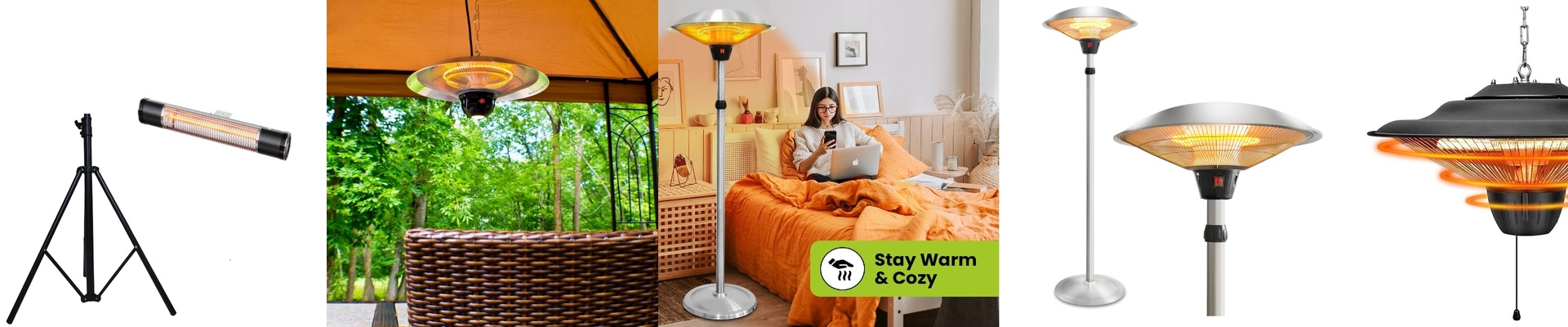
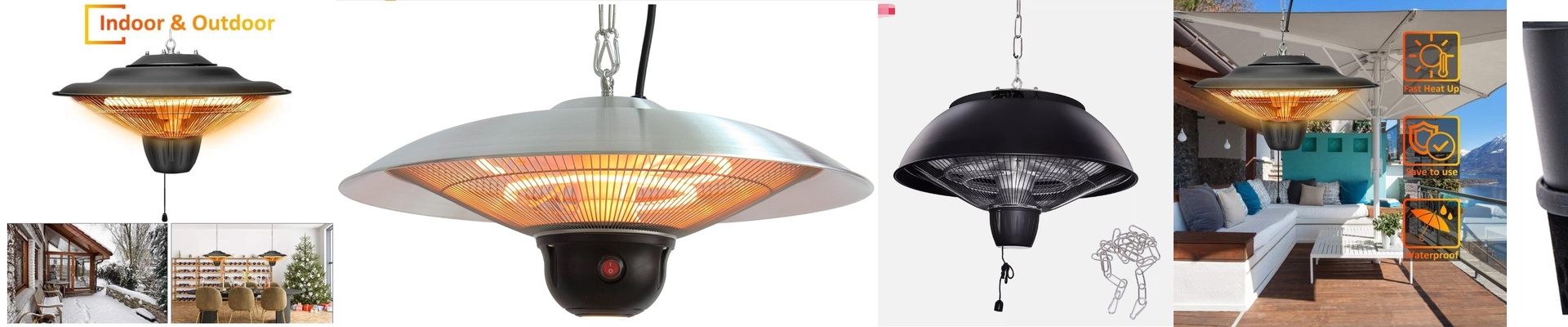
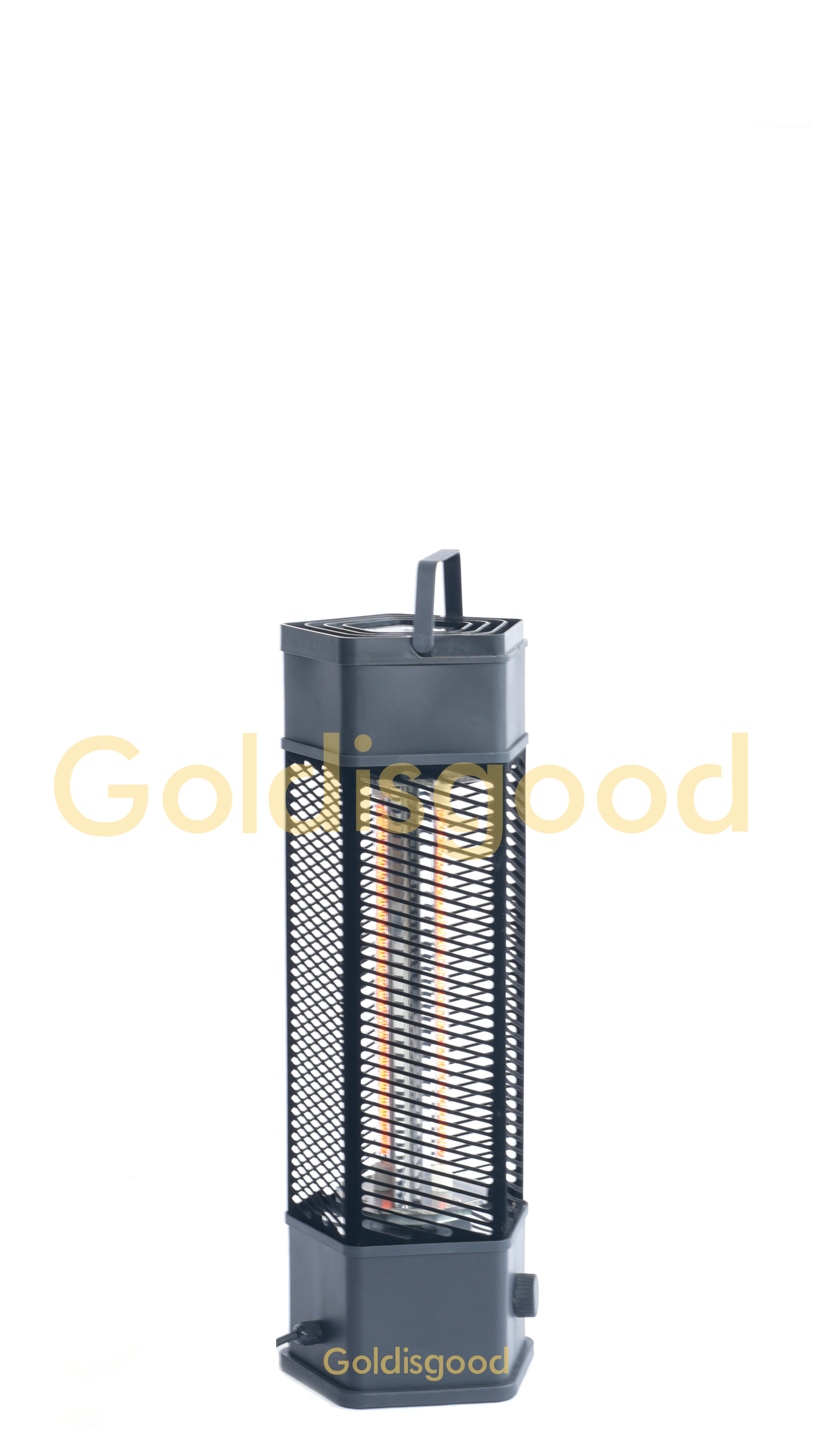
We built these infrared heaters for the places where water just won’t quit. Think steamy bathrooms, outdoor showers, damp corners—anywhere moisture is a constant headache. The goal was simple: give you that cozy, focused warmth without ever risking the electrical safety. We had to make sure the power stays where it should—inside—and the water stays out. So we leaned hard on sealed construction and tough dielectric materials. That’s how you get heat you can trust, even when everything around you is wet.
The Inside Story
Here’s the thing about IP65: it’s not a buzzword. It’s a real, hands-on engineering demand. It means every seam, every joint, every connection point has to be sealed properly—no shortcuts. On the electrical side, the system stays fully isolated, even when condensation beads up on the outside. We use dielectric strength that holds up under serious high-voltage testing. And the heating element’s power is matched to the thermal load, so the heat output stays predictable and easy to control.
What It’s Made Of
The heart of the heater is a halogen-filled quartz envelope. Quartz handles rapid on/off cycling and high temps without cracking—so it stays steady when life turns the heat on and off. The halogen gas helps keep the filament stable, which means fewer early burnouts. And the connector? It’s designed with a gasket-sealed termination, because that wiring point is exactly where water likes to sneak in. The whole assembly is sealed to keep water out, even when it’s getting sprayed directly.
Where It Shines
In a damp bathroom, a heater gets hammered—steam, cleaning sprays, humid days. Our sealed design keeps water away from the live parts, so you don’t have to worry about short circuits. The infrared warmth hits objects and people directly, instead of wasting energy heating the air. That also means less humidity hovering around the electrical bits. There is a trade-off, though. All that heat density means you need to plan the mounting spot and make sure surrounding materials can handle the temperature. You’re getting a heater that’s ready for wet locations—just remember to factor in the heat footprint when you lay things out.
A Quick Reality Check
Putting a high-output infrared lamp inside a sealed, waterproof housing creates serious localized heat. Plan for it. Make sure your mounting surface and nearby materials are rated for the temperature, and double-check that your circuit protection matches the load. The IP65 sealing is solid, but it doesn’t replace smart thermal clearance.