
Keeping Your Bio-Sensor Builds Spotless
If you’re working in a Class 100 cleanroom, you already know the nightmare. One tiny, invisible speck of dust lands in the wrong spot, and your entire batch is trash. It’s frustrating. Most heating elements are actually a liability here. They outgas or shed little flakes of material right when you need things to be pristine. That’s why we stick with high-purity synthetic quartz infrared lamps.
Why Quartz?
Here’s the thing about synthetic quartz: it just doesn’t flake. When you’re cycling temperatures up and down, metal heaters or cheap glass can start to degrade. They leak volatile organic compounds (VOCs) or drop particles into your workspace. Quartz doesn’t do that. It stays solid and clean, so your heat source isn’t the thing ruining your sensors.
Getting the Heat Right
Bio-sensor substrates are incredibly fragile. You can’t just blast them with heat and hope for the best. We use shortwave infrared because it’s fast and targeted. It hits the substrate without soaking the rest of your chassis in heat. This keeps your setup compact and your temperatures tight. It ramps up quickly—really quickly. But be careful with your PID controllers. If you don’t tune them just right and you overshoot your target, you’ll warp the substrate. And that’s a mistake you only make once.
The Practical Stuff
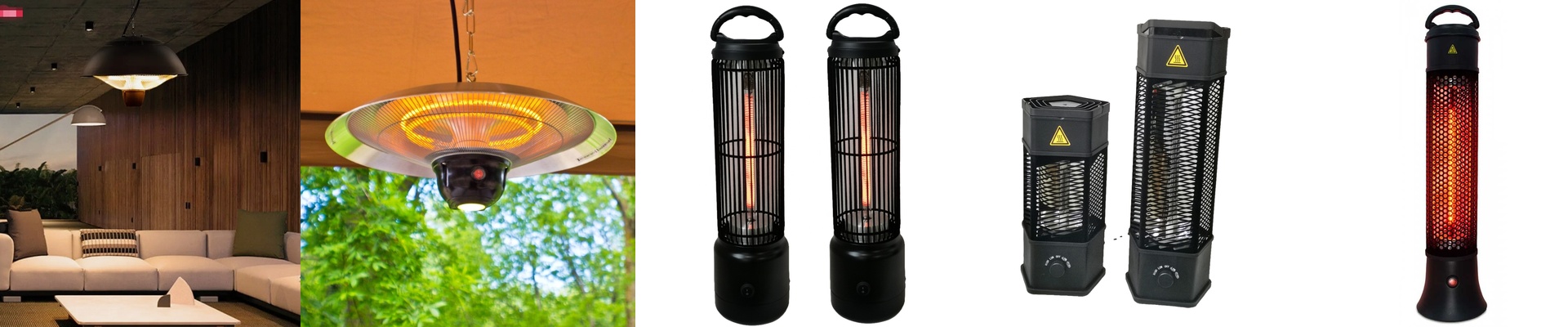
We made these lamps as drop-in replacements because nobody wants a complicated install. The real headache in a cleanroom is usually the seals. If they leak, you’re done. We use vacuum-tight seals to make sure no internal lamp gases sneak into your fabrication chamber. One heads-up: these lamps put out a ton of heat. If you have plastic components nearby, they’re going to feel the stress. Make sure you’ve got your shielding sorted and your cooling fans humming. Also, use high-temp leads for the wiring. Trust me, you don’t want to deal with melted insulation in the middle of a long production run.