



Getting Your Fab rinse Cycles Under Control
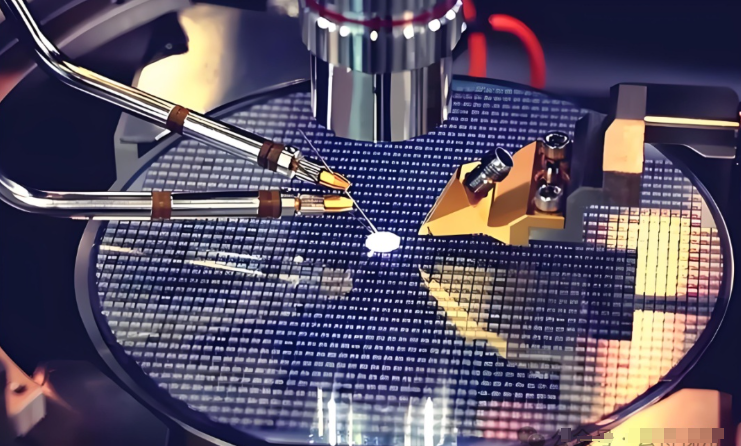
Let’s be honest: the rinse stage is usually where everything slows down in a modern Fab. You’re stuck trying to get moisture off your wafers or substrates fast, but you can’t risk dragging in any contaminants. That’s why we use waterproof infrared (IR) lamps. They’re built specifically for those humid, damp environments where a normal lamp would just give up. They hit the target with exactly the kind of thermal energy you need. Why short-wave IR? It comes down to how the heat actually moves. Short-wave radiation cuts through a layer of water way better than long-wave heat ever could. The best part? You’re drying the surface, not heating up the entire machine chassis. When you’re picking these out, look for high wattage density. You want that water to vanish the second it hits the heat. Fast. Really fast. Keeping the water out (and the power on) Here’s the thing: standard IR lamps hate moisture. If water hits the electrodes, they’re toast. We seal our units tight to stop short circuits and rust before they even start. And if you’re running a smart factory, these plug right into your PLC-controlled power supplies. This means you can tweak the heat based on what your sensors are actually seeing. If the conveyor slows down for some reason, you can drop the wattage on the fly. No more worrying about over-baking your substrates just because the line lagged. The reality check Now, there’s a catch. High-density IR lamps put out a massive amount of heat. The waterproof casing keeps the lamp safe, but the housing around it is going to feel the burn. You’ve got to make sure your exhaust and cooling systems are up to the task. If your airflow is weak, you’ll start seeing your mounting brackets warp. It’s a headache you don’t want. We designed these to be simple drop-in replacements for your current rinse tunnels. You get the precision of digital control without having to tear out your entire line and start over. It’s just a cleaner, easier way to get your production floor running on actual data.