

Why Your Bio-Sensor Line is Still Waiting on Hot Air
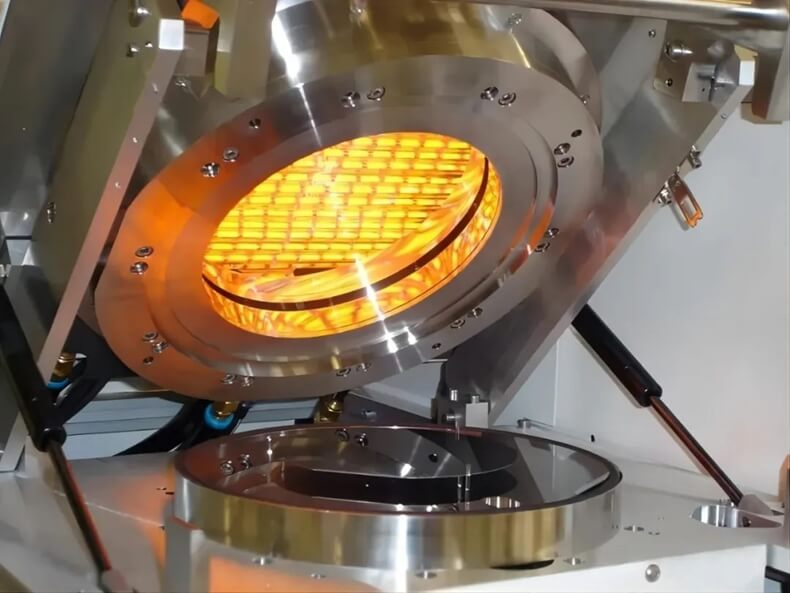
If you’ve spent any time in a bio-sensor shop, you know the drill. You’ve got these critical curing and drying stages that just… take forever. Most places still use hot air circulation. It feels like the standard, but honestly? It’s a massive bottleneck. Think about it: you’re heating up a giant box of air just to get a tiny substrate to the right temperature. You’re basically wasting time warming up the room before the actual work even starts. Cutting out the middleman This is where infrared (IR) comes in. Instead of playing around with the air, IR radiation hits the substrate directly. We stick with short-wave IR for these lines because it’s aggressive. It penetrates the surface fast and gets those molecules vibrating almost instantly. You aren’t sitting around waiting for a heater to kick in. The substrate hits its target temperature in seconds. When you stop waiting on the air, your ramp-up time drops by 60% to 80%. That’s a huge chunk of your day handed back to you. Getting precise with the heat When we’re talking about deep processing for semiconductors, it’s all about where that energy goes. You don’t want a blanket of heat; you want a scalpel. Our lamps are designed for that kind of targeted energy. You can actually zone the heat. If only one part of the sensor chemistry needs the punch, you put the power right there. No more worrying about scorching the edges of your wafer or ruining the carrier. The catch (because there’s always one) Now, IR isn’t some magic wand. If you just crank the power, you’ll run into trouble. There’s a thing called “skinning.” It happens when the surface dries so fast that the internal layers can’t breathe or off-gas. If you push the wattage too hard, too quickly, you’ll warp the whole substrate. You have to be smart about your ramp speeds. You need a fast PID loop in your control system to keep things from overshooting the mark. It takes a bit of calibration, but it’s worth it. Most high-throughput semiconductor lines have already made the jump to IR. It shrinks the footprint of your machinery and, more importantly, it gets your units out the door way faster.