



Stop Wasting Your Heat: Why Gold-Coated Quartz Actually Matters
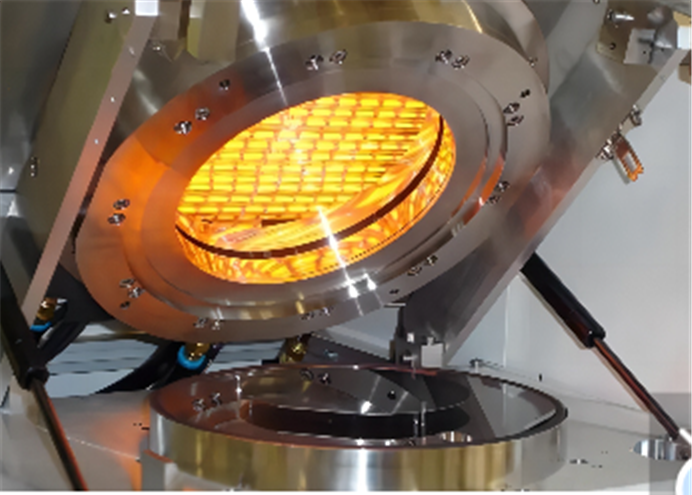
Let’s be honest—wasting power in a semiconductor fab is basically just throwing money away. When you fire up a fab lamp, a huge chunk of that infrared (IR) energy doesn’t even make it to the wafer. It just bounces around, radiates backward, or scatters into the housing. It’s a mess. We fix this by using high-purity quartz shields with a gold coating. Why gold? Well, gold is a beast when it comes to reflecting IR radiation. We’re talking over 98% reflectivity. Aluminum or polished steel just can’t keep up. By putting that gold layer on the shield, we catch the energy that would usually escape and shove it right back toward the target. It focuses the heat. This means you can hit those high surface temperatures on your wafer without having to crank the voltage or crowd your array with more lamps. But the glass matters too. The shield does more than just reflect; it’s your first line of defense against heat. We use high-grade quartz because it can take the punch of extreme temperature swings without cracking. Cheap quartz is a nightmare. It clouds over or warps under pressure, and once that happens, your heat distribution is ruined. High-grade quartz stays put, keeps the filament clean, and lets the right wavelengths through. A quick heads-up on the trade-off. Here’s the thing: when you focus energy this efficiently, you’re dealing with a lot more heat density. Since the gold coating concentrates the thermal load on the wafer, you’ve got to make sure your cooling system can handle the extra flux. Otherwise, you’re looking at hotspots. If your ramp-up times are dragging or your heating feels uneven, don’t just assume you need more wattage. Usually, the problem is just energy scatter. Switching to a gold-coated quartz setup cleans up that flow and gets you to your target temperature a whole lot faster.