

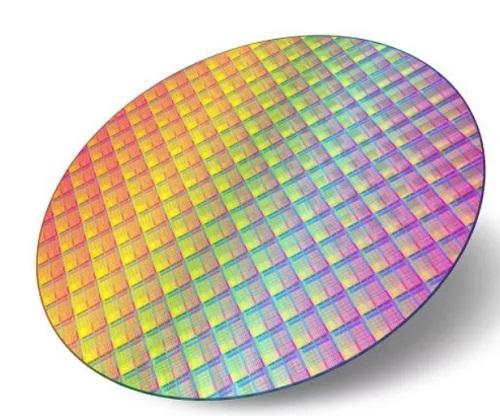
On the fab floor, the bake step isn’t a warm-up. It’s a make-or-break lever. A half-degree drift across the wafer is enough to pull critical dimensions and wreck line-width control. You need heat you can count on, not heat you cross your fingers over. What matters under the hood We run infrared heating modules that hold wafer-level uniformity at ±0.1°C, using fast-response NIR sources matched to how photoresist actually absorbs. The design is quartz-free and optimized around the filaments, so it lives in Class 1–100 cleanrooms without adding particles. The heated zone is built to keep out-gassing and contamination out of the process chamber. Temperature repeatability stays tight across bake steps—soft bake for solvent removal, hard bake for adhesion and etch resistance—so every lot gets the same thermal budget. Why it shows up on the line You get stability where it counts: lithography overlay, CD uniformity, and yield. Tighter thermal control cuts within-wafer bias and keeps rework off the schedule. The modules also trim energy waste. Rapid ramp-up and targeted heating lower the thermal load on the platform and the facility. With 24/7 reliability and fewer bake-temperature excursions, unplanned downtime drops and cycle time tightens—without beating up the photoresist. What to plan for up front These modules need a clean electrical and cooling envelope: stable voltage and enough airflow to keep the emitter window at its design temperature. They integrate cleanly into existing coat/bake tracks, but you have to plan the footprint and coolant routing ahead of time. Expect a short commissioning window to tune ramp rates and overshoot for your specific resist stack. Once that’s set, the process stays locked and the temperature stays on spec.