



Cutting Carbon in Semi Fab: Why IR is the Way to Go
Making semiconductors takes a massive amount of heat, and let’s be honest—the old way of doing it is incredibly wasteful. Most plants still rely on those giant resistive ovens that heat up the entire room just to get a few wafers up to temperature. It’s like heating your whole house just to warm up a single slice of pizza. We’ve found a better way. By switching to shortwave infrared (IR) heating, we stop fighting the air and start targeting the wafer directly. It’s cleaner, it’s faster, and it actually helps those corporate carbon-neutral goals feel achievable instead of just being a slide in a PowerPoint deck.
The Magic of Radiation
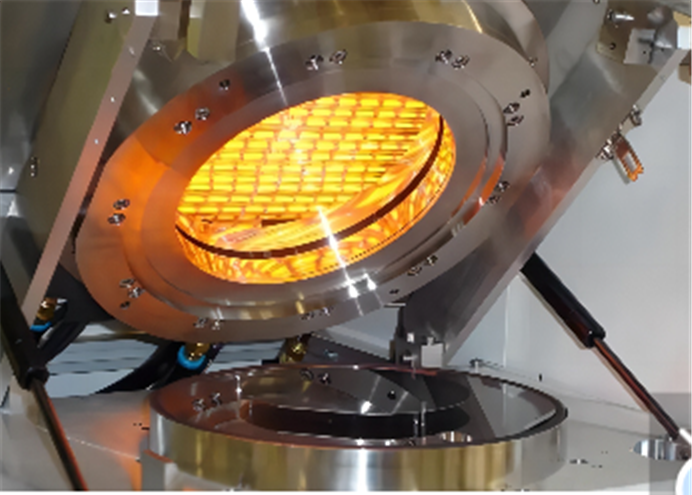
Here is the thing about IR: it doesn’t care about the air around it. While convection ovens are sitting there waiting for the atmosphere to warm up, IR lamps just beam energy straight into the substrate. If you’re working with silicon or gallium nitride, the absorption is almost instant. You get your ramp-up times down significantly, which means you’re pulling fewer kilowatt-hours per cycle. And there’s a hidden bonus. Because you aren’t turning the whole chamber into a sauna, your chillers don’t have to sweat as much to bring everything back down to baseline. Your entire power bill feels the difference.
The Hardware Reality Check
Under the hood, we’re talking high-purity quartz envelopes and tungsten filaments, all packed into a halogen gas fill to keep the filament from burning out too quickly. But look, there’s always a trade-off. You can push these lamps to their absolute limit to get extreme heat density, but you’ll be swapping them out way more often. It’s a balancing act. We usually suggest a wattage that hits your process window comfortably without pushing the hardware to the breaking point. It saves you the headache of constant maintenance.
Making it Work in a Green Factory
The best part about IR arrays is that you get zonal control. You can actually turn off the lamps you aren’t using. No more “always-on” waste from legacy furnaces that just bleed energy 24/7. When you pair this with a fast-response PID controller, you stop that annoying overshoot where the temp spikes too high. That not only saves power, but it keeps you from accidentally ruining a batch of wafers. It’s just a leaner, smarter way to handle heat.