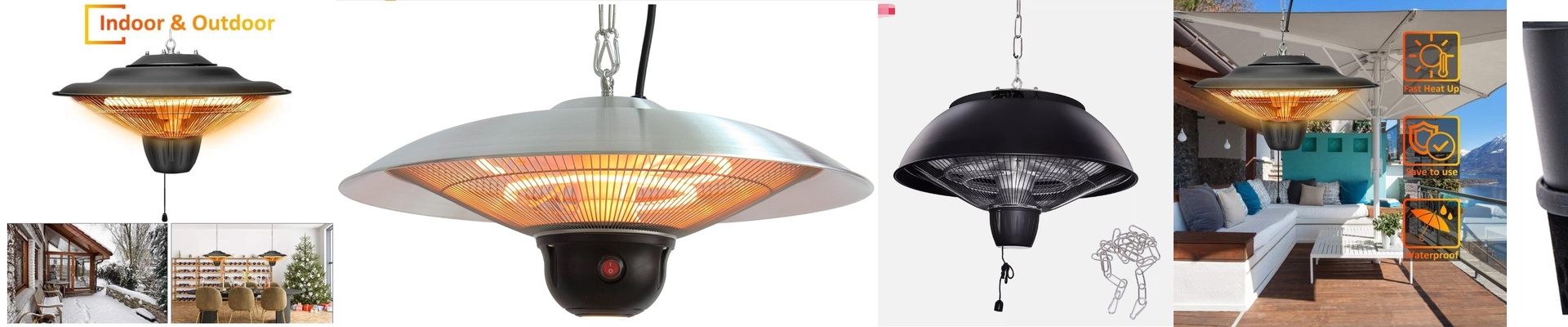
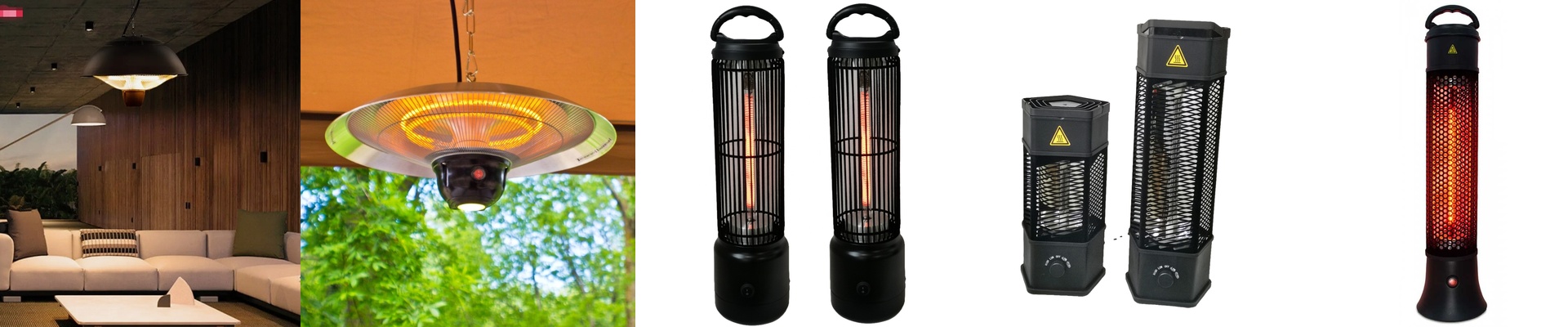
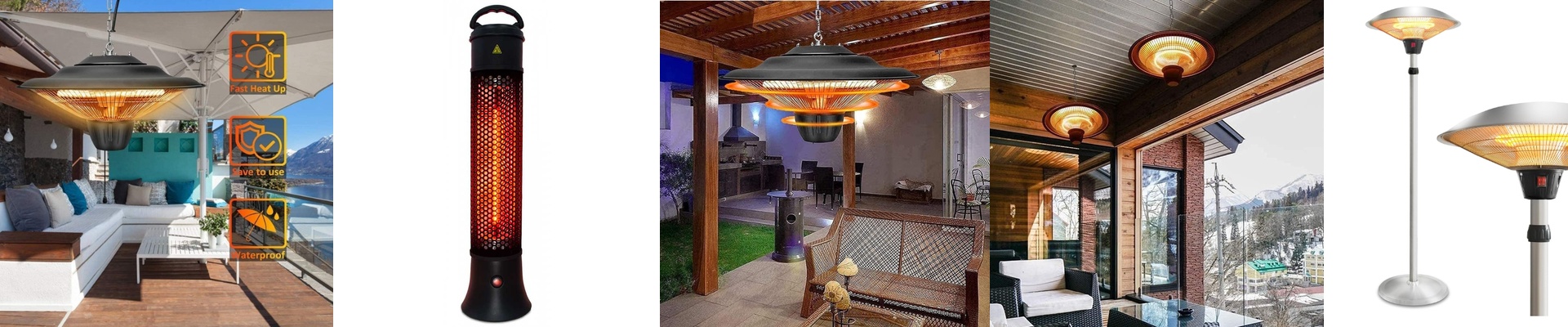
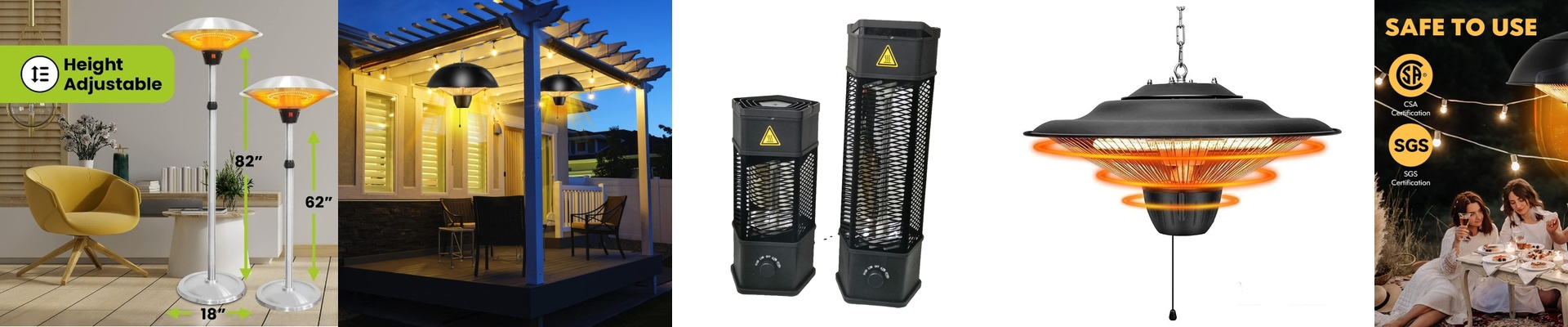
Stop Losing Money Every Time the Temperature Drops
Let’s be honest: the second it gets chilly outside, your patio becomes a ghost town. It’s a nightmare for any restaurant owner. You’ve got the space, you’ve got the tables, but nobody wants to sit in a wind tunnel shivering through their appetizer. To keep those seats full in the winter, you need heat that actually works—and you need it to survive the rain. That’s why we build our heaters to an IPX5 waterproof rating. In plain English? You can leave them up all year. Rain, sleet, or a random autumn storm won’t short out the circuits or ruin your investment. You just set them and forget them.
Why “Shortwave” Actually Matters
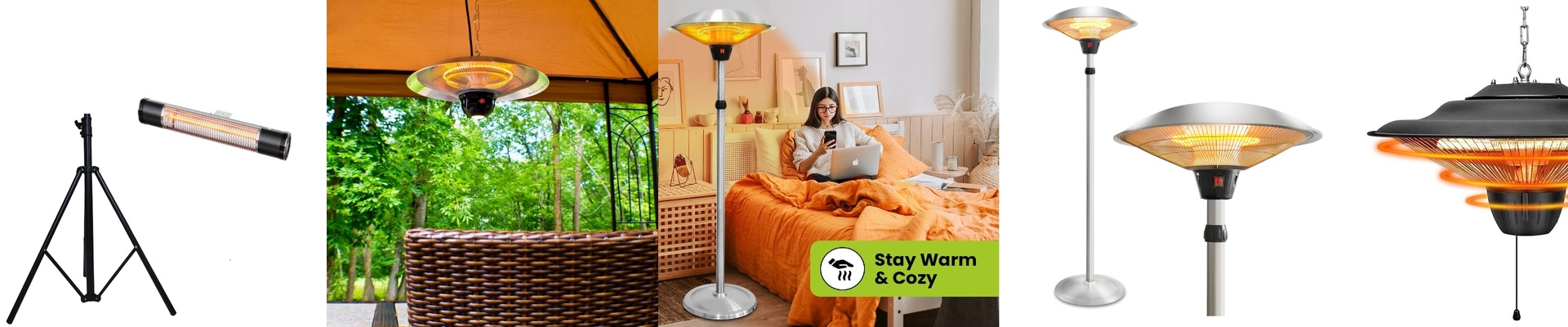
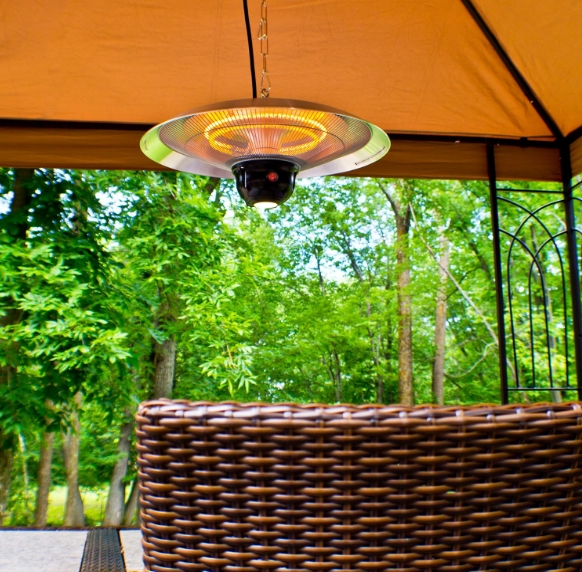
Most heaters try to warm up the air. But if you’re on an open patio, the wind just blows that warm air away instantly. It’s a waste of electricity. Our heaters use shortwave infrared. Instead of fighting the wind, the heat travels in a straight line and hits your customers directly. It feels like sitting in the sun on a spring day. The best part? It’s fast. Really fast. Your staff can flip a switch and a freezing table becomes comfortable in seconds. No waiting around for the “glow” to kick in.
Built to Take a Beating
Water and high-voltage electricity are a terrible mix. We’ve sealed the internal wiring and the housing tight to keep the moisture out. This stops the terminals from corroding and keeps the guts of the machine safe from the elements. We also use powder-coated aluminum and stainless steel for the frame. It’s tough. It can handle the wear and tear of a busy commercial environment without looking like a piece of junk after one season.
The Bottom Line (And a Warning)
When people are warm, they stay longer. They order that extra round of drinks or a dessert they weren’t planning on. It basically turns your seasonal patio into a year-round money maker. But here is the catch: these things pull a lot of power. If you try to plug ten of these into one circuit, you’re going to trip your breakers. Before you start wiring, have a pro look at your electrical panel to make sure it can handle the load. Also, keep your cable runs short. If the wires are too long, the voltage drops and your heat output dips. If you have to go a long distance, just use a thicker wire gauge. Simple as that.