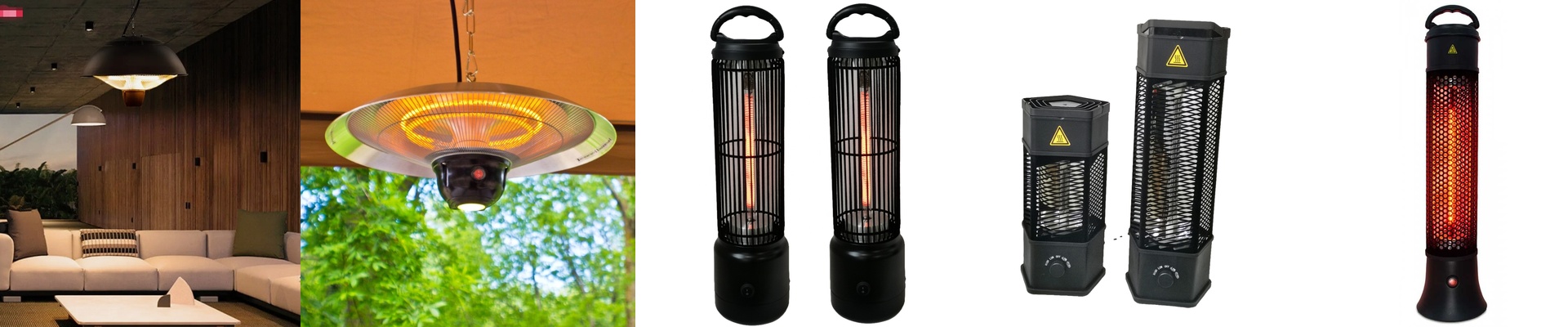
Keeping Your Bathroom Heater Safe (And Your Toes Warm)
Let’s be honest: putting a high-powered heater in a room full of steam and splashing water is a bit like playing with fire. Water and electricity aren’t friends. If moisture finds a way into your wiring, you’re looking at short circuits or, worse, a ground fault. That’s why we built our heaters with an IPX4 rating. In plain English? It means the thing is splash-proof. You can have a steamy shower without worrying that your heater is turning into a hazard.
The struggle with heat and water
Here is the tricky part. Most waterproof seals are made of materials that just… melt when they get hot. And infrared lamps get really hot. We couldn’t use standard rubber. Instead, we went with high-temp silicone and ceramic insulators that can handle 300°C without breaking a sweat. It keeps the live current exactly where it belongs—inside the wires and away from the outer shell.
Safety isn’t a one-trick pony
We don’t just trust a plastic shell to keep you safe. First, the heating element sits inside a high-purity quartz tube. That’s your first line of defense. Then, we house everything in grounded metal. Think of it as a backup plan. If a seal ever fails and water hits a live wire, the current doesn’t energize the casing you might touch. Instead, it trips your GFCI (the safety switch in your breaker box) immediately. **One quick tip:**make sure your home’s grounding is actually working. If your building’s wiring is old or “floating,” these safety features can’t do their job.
The trade-off
There’s always a catch. When you seal a heater tightly to keep water out, you’re also trapping heat inside. Because the air can’t move as freely, the wiring gets a lot hotter than it would in an industrial lamp. To stop the wires from frying, we use Teflon-coated or fiberglass sleeves. You’ll notice the housing feels warmer to the touch than an open-air heater. That’s just the price we pay for making it water-resistant. Just do us a favor: keep the area around the heater clear. If the air around the housing gets too hot (over 80°C), those internal capacitors will wear out a lot faster. Give it some room to breathe.