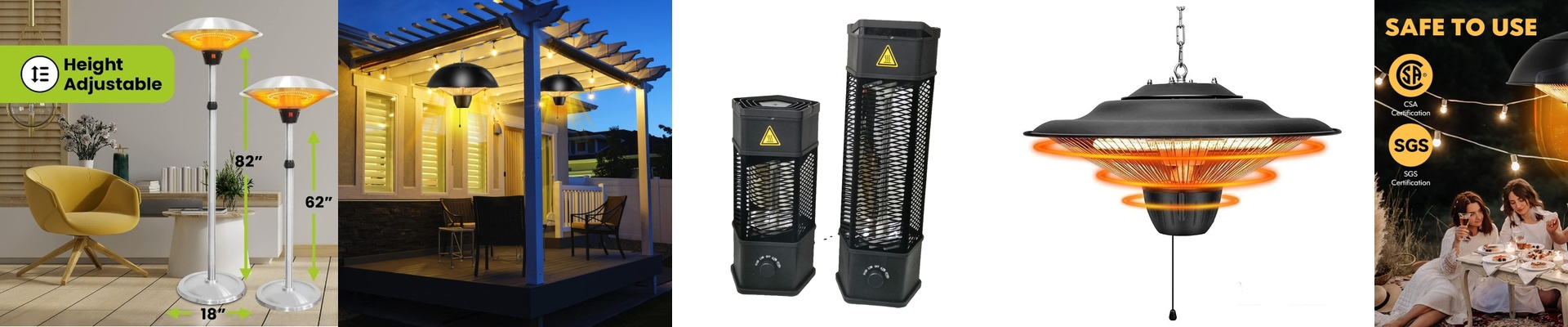
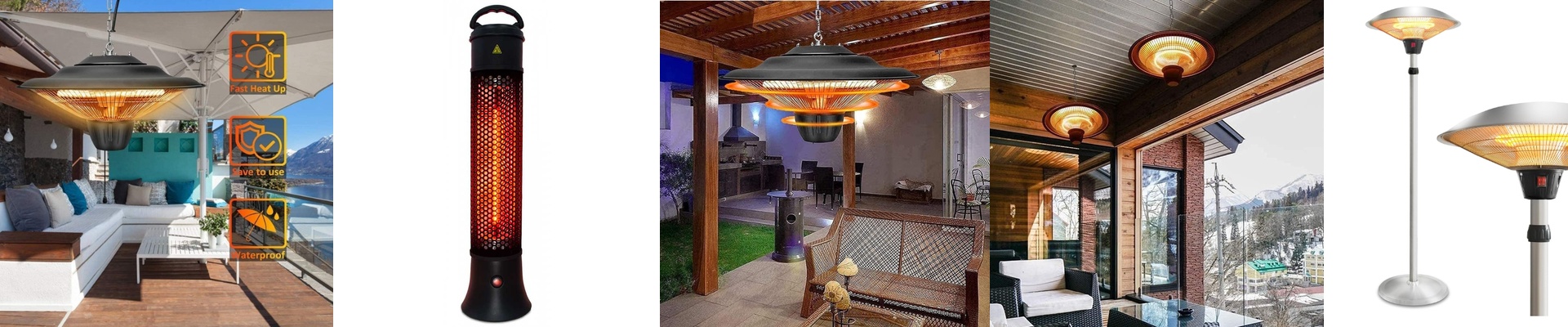
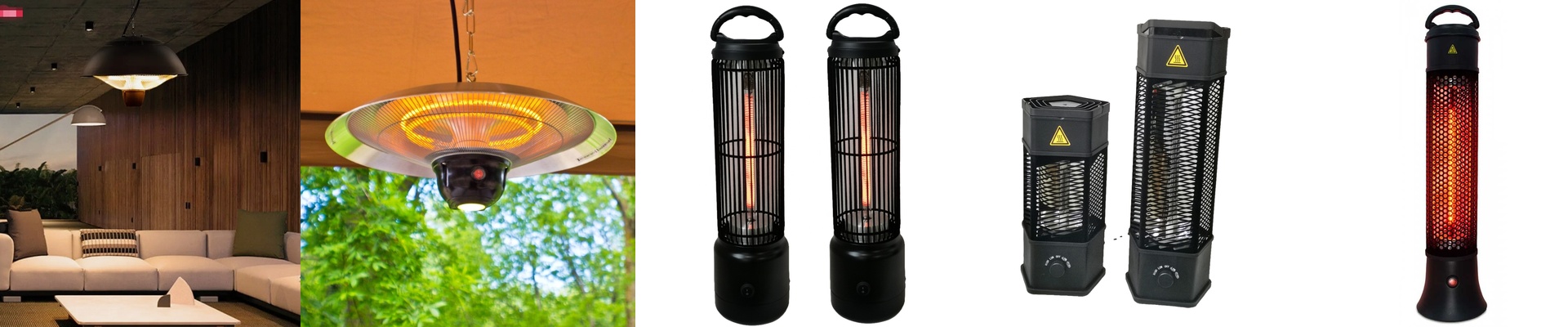
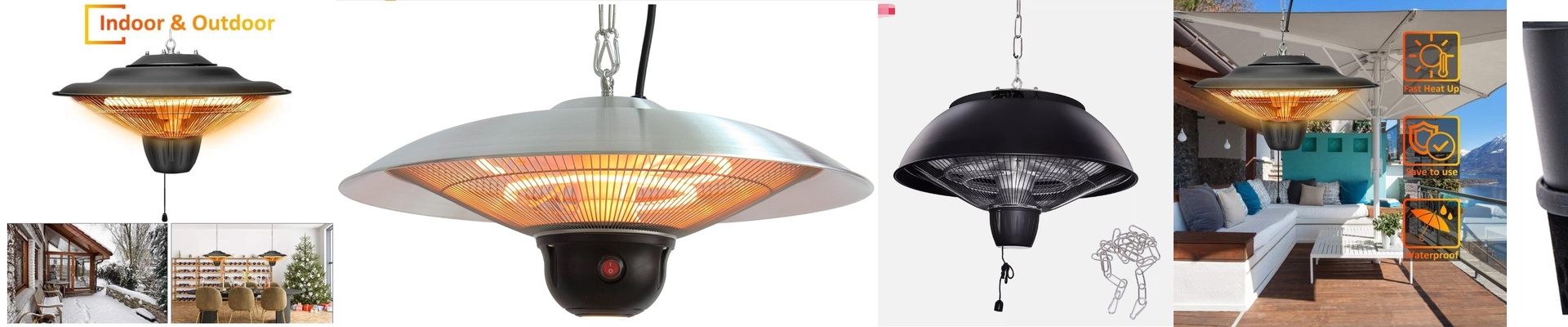
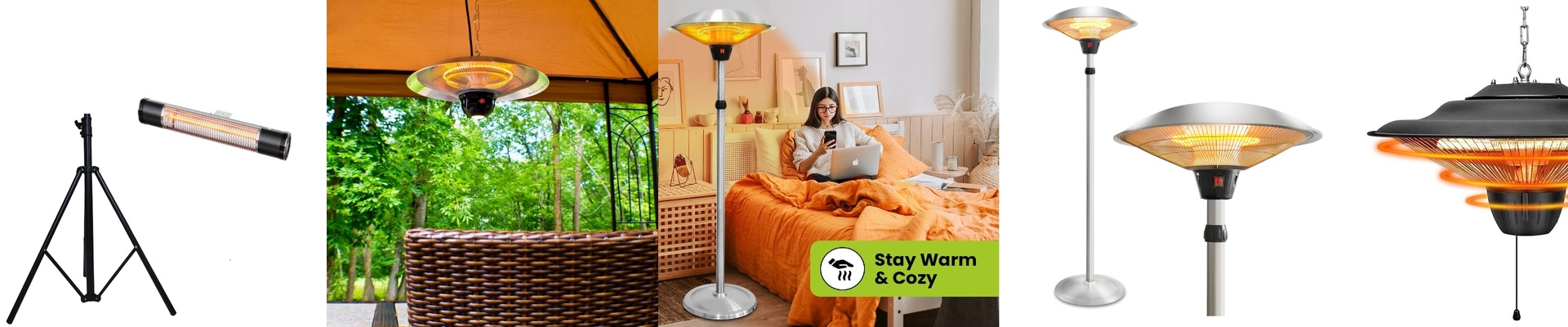
In a display window, everything is under scrutiny. In a lab, every variable has to stay locked down. Conventional heaters that push air do more than just move heat—they lift dust and send particles drifting across surfaces. That micro-turbulence can wreck a showcase finish or throw off instrument readings. We built the Sunlike infrared heater to warm the space without stirring the air, because when control matters, stillness comes first.
What matters under the hood
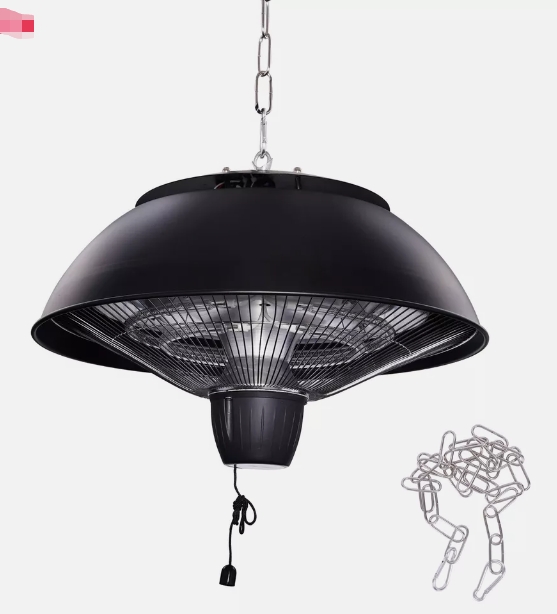
Sunlike units deliver radiant warmth through a quartz-based infrared element. It heats objects and people directly, not the air in between. No fan means no drafts and no debris being circulated—just quiet, steady infrared warmth. You’ve got two output paths depending on the job: short-wave for fast response and deeper penetration, or medium-wave for gentler, more even coverage. Power is matched to the space: 1.5 kW for compact enclosures, 3 kW for larger rooms, and scalable layouts for wide frontages. A built-in thermostat holds the setpoint within ±1°C, so conditions stay stable even when the outside weather shifts. The heaters run on standard voltages—120 V or 240 V—and are listed for damp locations, with sealed housings that keep moisture out.
Why it fits the job
In a display window, Sunlike warms the interior without kicking up dust onto fabrics, glass, or polished fixtures. In a lab, it helps maintain a stable thermal envelope around sensitive instruments, protecting calibration and repeatability. The heat is directional, so you can focus it where it’s needed—under a showcase ledge, along a workbench perimeter, or at a controlled distance from equipment. No fan noise. No moving air that dries things out and creates static. No ductwork to complicate cleanroom protocols. And you’ll use less energy, because radiant heat goes straight to the target instead of trying to warm the entire volume.
What to keep in mind
Sunlike infrared heaters are straightforward, but placement matters. Keep the unit at a safe distance from combustible materials, and avoid direct line-of-sight for extended periods—same as you would with any bright heat source. They perform best when pointed at the intended zone, not when you try to heat the whole room through air transfer. For labs with stricter exposure limits, check spacing against equipment manuals and loop in your safety officer. If you need to cover a wider area, a multi-unit layout will do the job better than one oversized heater.