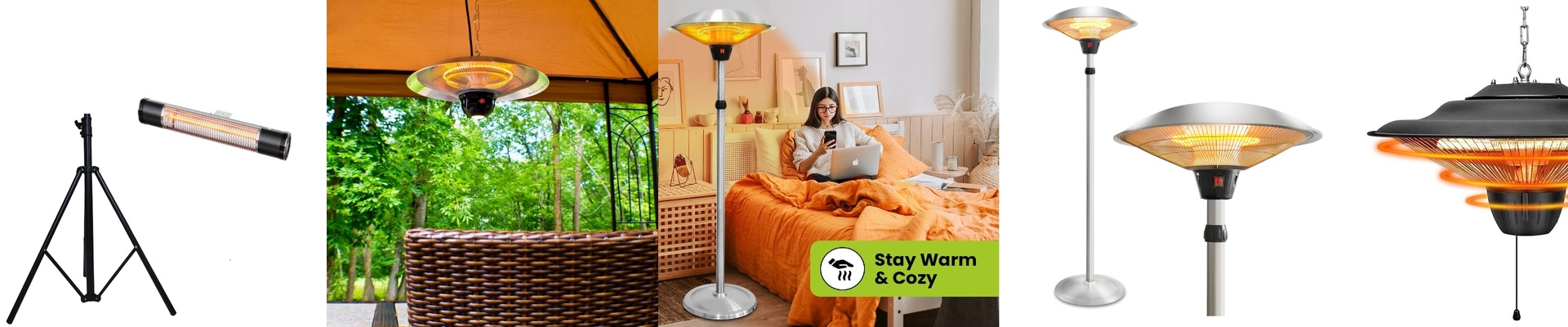
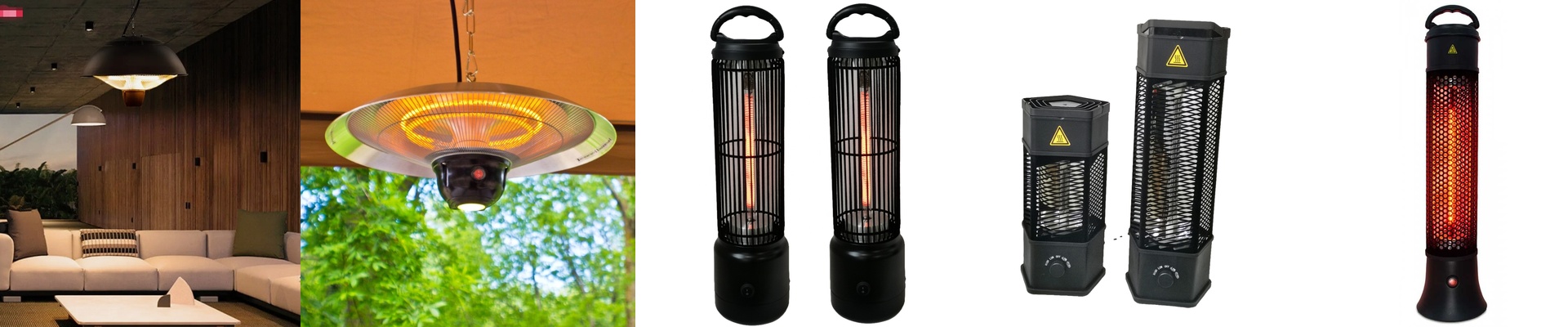
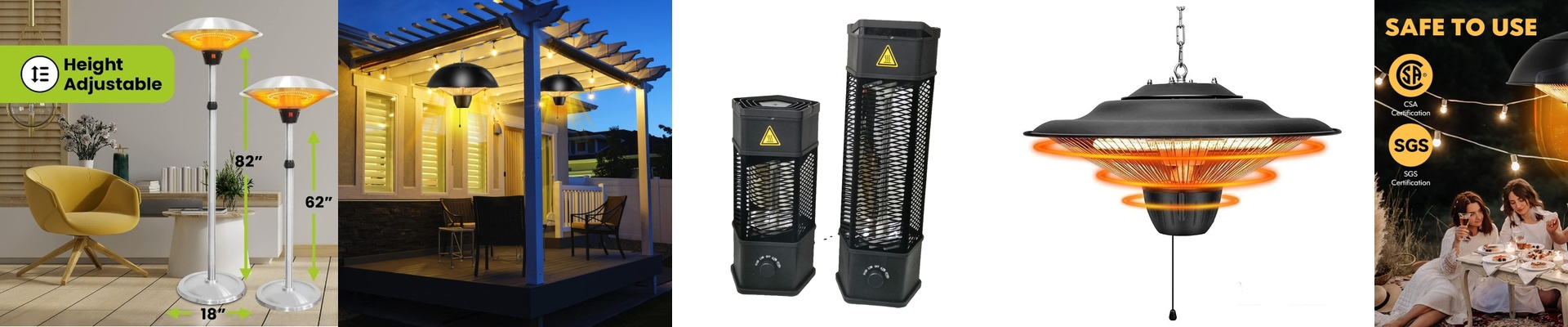
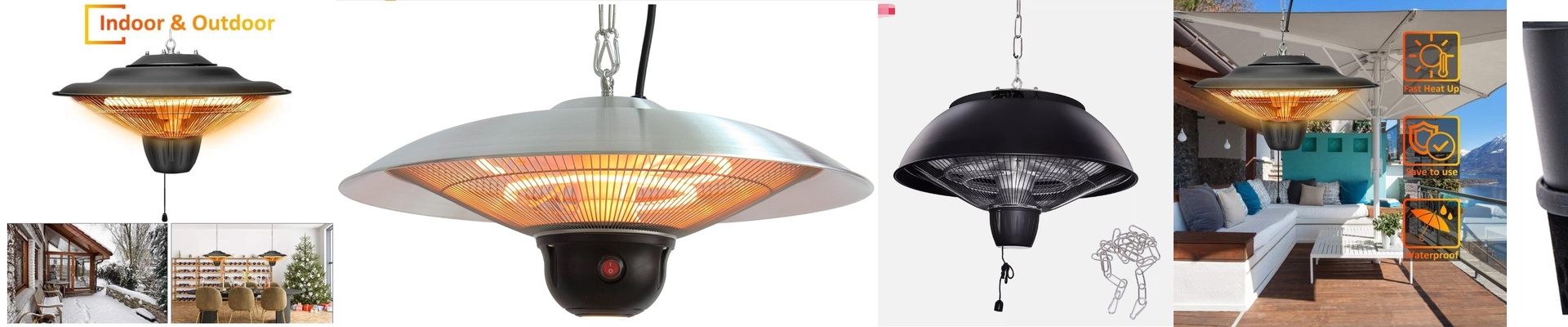
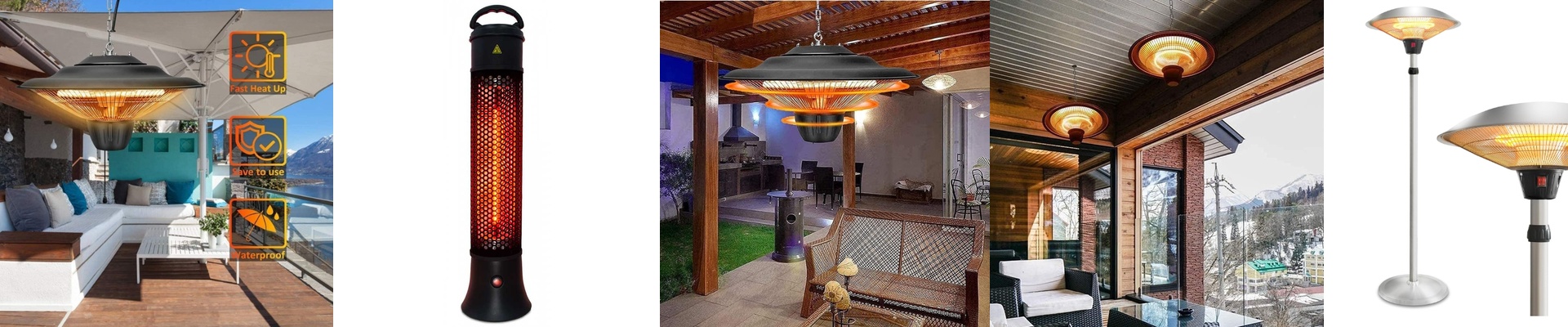
Winter at home can turn into a waiting game—waiting for the room to warm up, waiting for the chill to lift, waiting just to settle in. Conventional heaters move air around, kicking up dust and leaving cold pockets. The warmth feels patchy, and comfort always seems a little out of reach. A travel electric heater with true infrared output changes that. It delivers heat the way the sun does: directly to people and surfaces, not the air. Here’s what matters under the hood. Infrared travel heaters work because they focus on specific wavelengths. Short-wave (near-infrared) and medium-wave elements produce fast, directional radiant heat that travels through space with minimal loss. In practice, you feel warmth within seconds, not minutes, and it stays consistent right where you are—not diluted across the room. A compact 1500W electric heater with a carbon fiber or quartz element gives steady output while staying light and easy to move. Built-in thermostat control keeps the temperature stable, and safety features like tip-over protection and overheat cut-off matter when the unit sits on a desk, in a bedroom, or beside a chair. The real payoff is how this warmth fits real life. Radiant heat warms you first, so you feel cozy even when the room temperature is a few degrees lower. That matters for winter comfort: gentle, deep warmth helps muscles relax and makes it easier to settle in, without the drafty ups and downs of forced-air systems. For travelers and homeowners alike, a portable electric heater means you can bring comfort to the spots you use most—bedrooms, reading nooks, home offices—without rewiring or installing permanent fixtures. It’s the kind of heat that makes evenings feel longer, quieter, and more restorative. Now, a few practical notes. Infrared travel heaters are designed for focused, close-range warmth. They perform best within a few feet of the user, not as a solution for a large room. Place the unit where it has proper clearance and on a stable surface. Check local voltage and plug type for travel use. And remember, like any electric heater, it draws full power on high settings—plug it into a suitable outlet and avoid extension cords when you can.