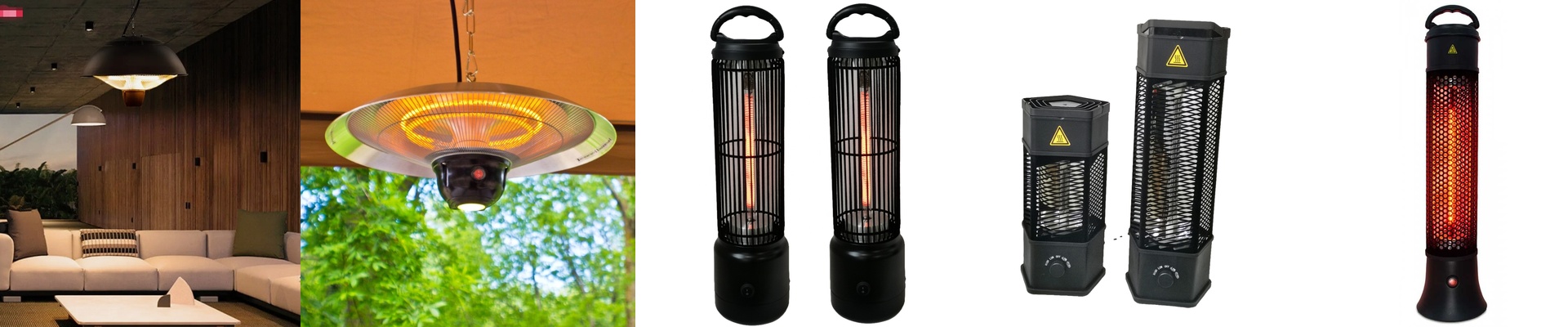

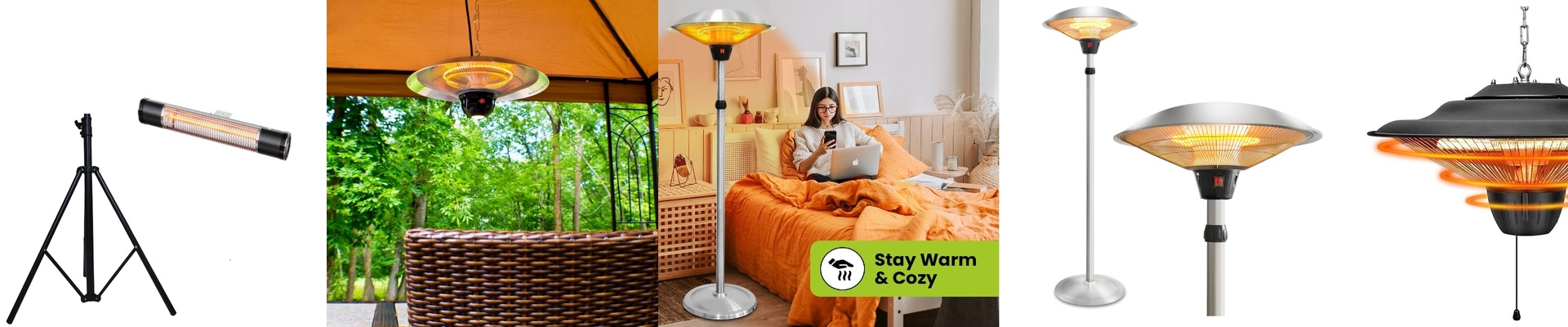
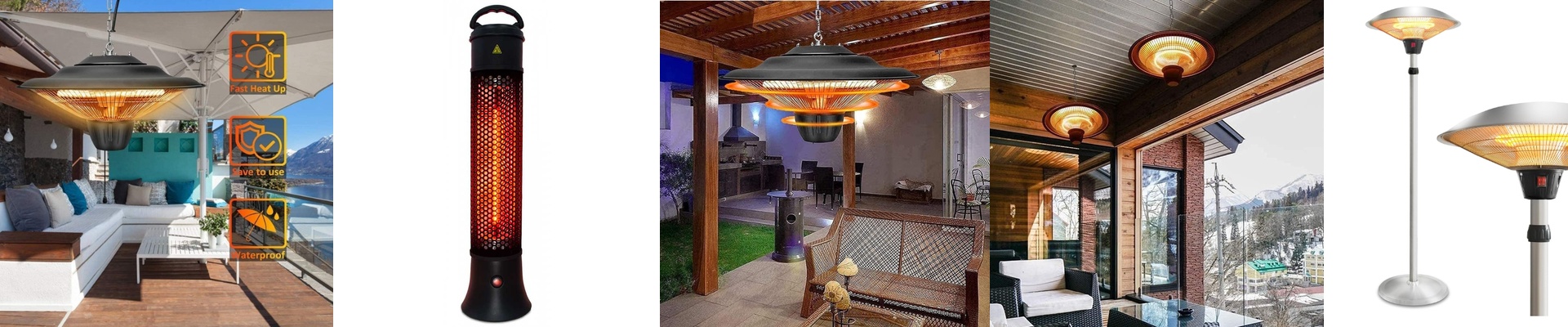
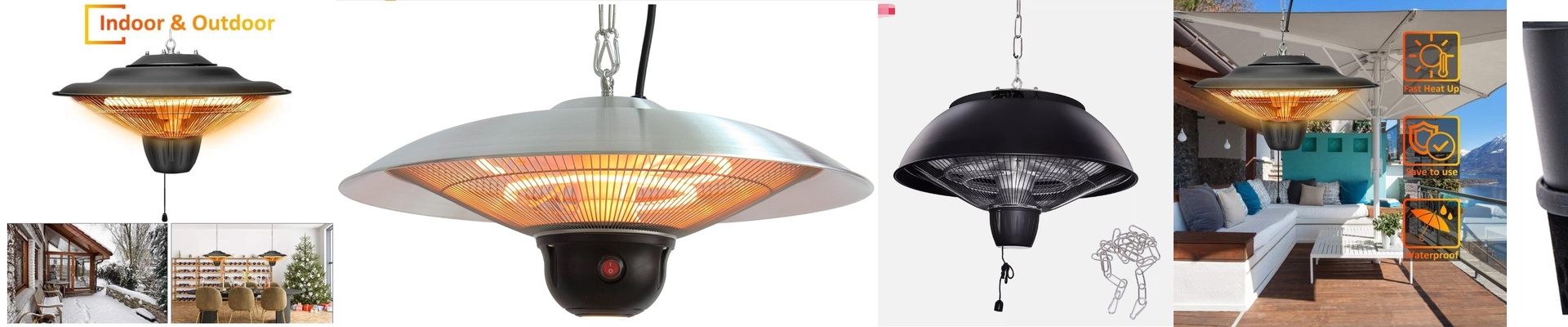

Voltage swings are the quiet problem nobody talks about until the heater starts blinking or the warmth stutters. The grid gets moody on winter evenings—dips, surges, quick changes—and a lot of personal heaters just throw up their hands. They dim, they cycle, or they burn out early. We built this infrared personal heater around a circuit compensation system that keeps radiant warmth steady, even when the line voltage turns unpredictable.
What’s actually going on inside
The core is a carbon fiber infrared element married to a closed-loop control board. When input voltage drops, the board adjusts current on the fly to hold element temperature. When voltage rises, it prevents overcurrent. So you get stable radiant heat output across a wide operating window, instead of the flicker and thermal shock that kills lamps and shortens service life. The same system also shields the element from repeated cold starts—exactly where a lot of heaters show their first fatigue.
Why this matters where you actually use it
You run a personal heater in the places comfort can’t wait: a drafty sunroom, a covered porch, a workshop corner. In those spots, you want warmth that shows up fast and stays consistent. Our circuit compensation keeps infrared warmth steady through minor grid dips, so you don’t get that stop-start feeling that leaves you cold again. That consistency matters for more than comfort. Steady radiant heat helps muscles relax and makes it easier to settle in without constantly chasing the controls. It also translates to fewer replacement cycles, which really matters when the heater is mounted overhead or tucked under a desk.
The details that keep it running
This unit is designed for standard 120V outlets, and it needs a dedicated circuit for best performance. Because the electronics actively manage power, it won’t feel like a basic heater—warm-up is brisk, and output stays even. For reliability, use a properly grounded outlet and keep the unit away from moisture sources. If your space has frequent, severe voltage swings, adding a whole-home surge protector is a sensible move.