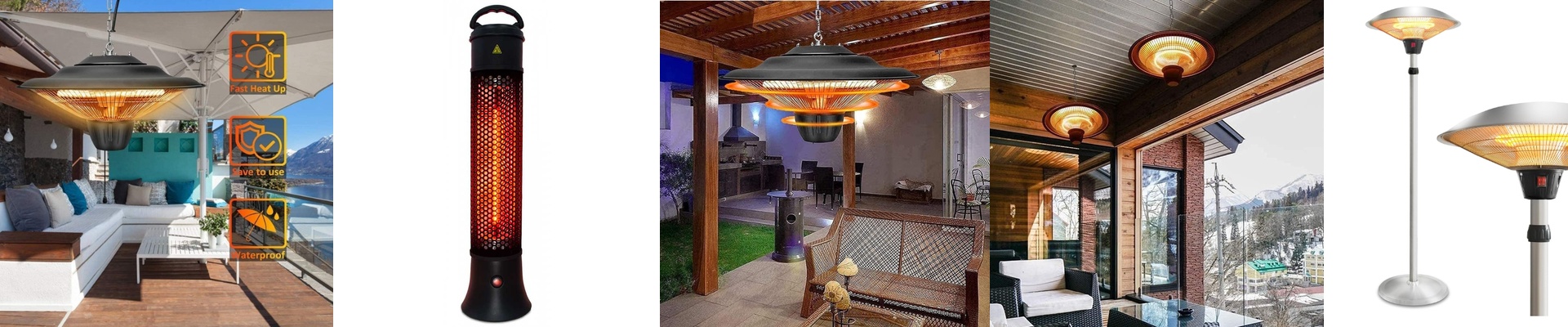
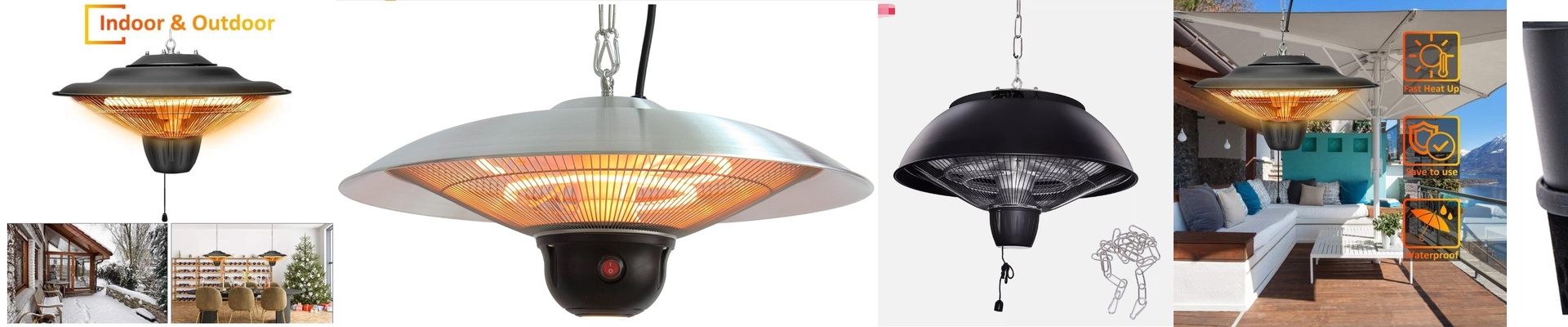

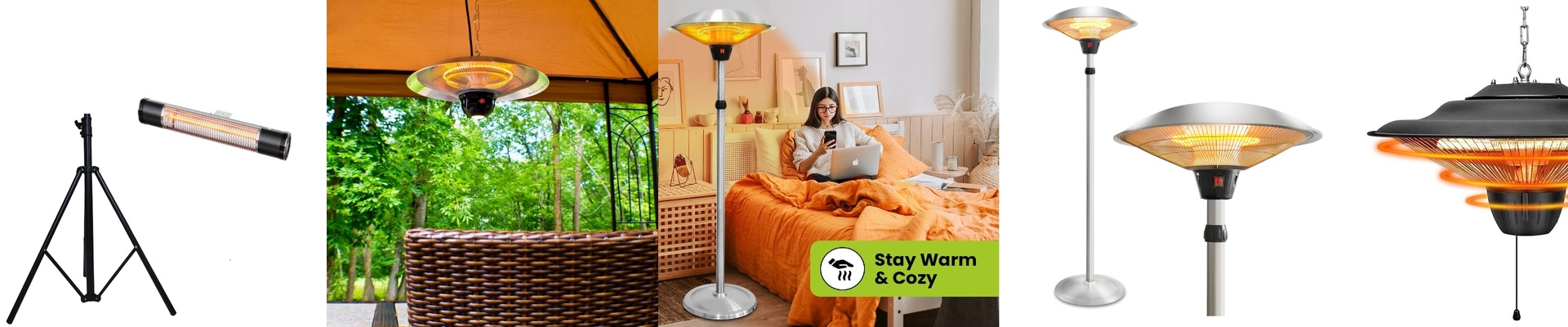
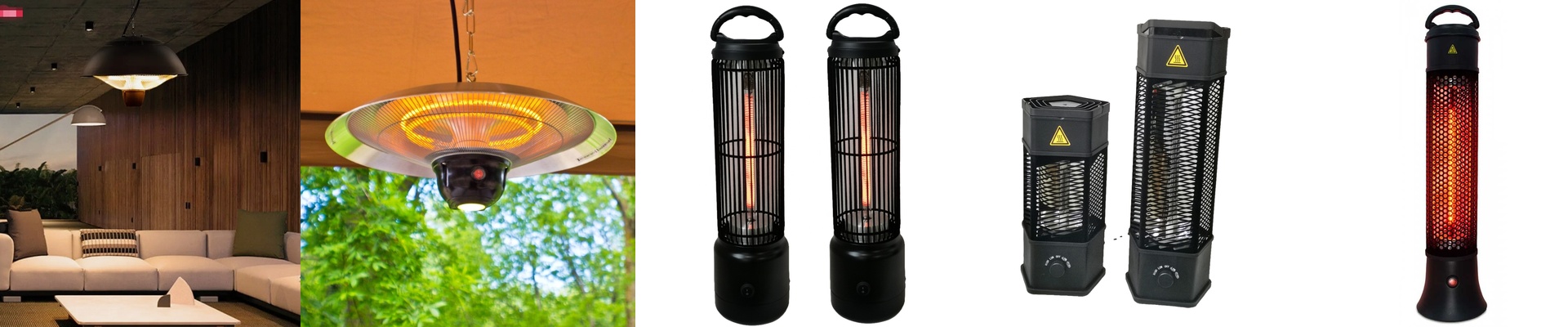
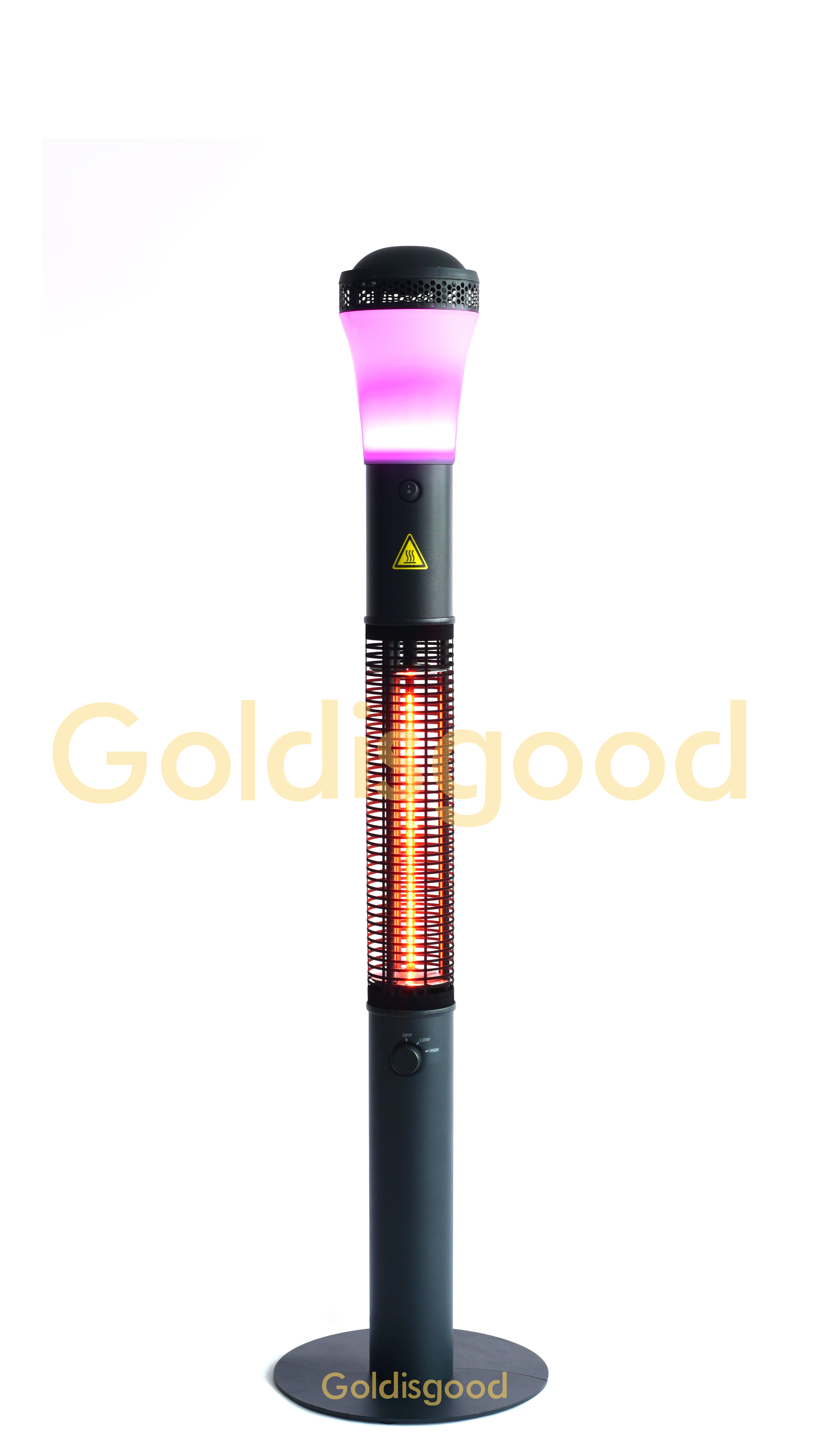
Walk into a workshop on a cold morning and you feel it right away. When the commercial infrared electric heater struggles, the whole space struggles with it. That dust on the heating element isn’t just cosmetic. It acts like insulation, blocking the radiant heat path and forcing the unit to pull more power just to hit the same comfort level. Over time, that filmy buildup quietly pushes up energy use and shortens the heater’s life. What matters, technically Commercial infrared electric heaters warm the way the sun does—radiating heat directly to people and objects, not by heating the air. In our units, a high-output carbon fiber element or quartz tube delivers focused infrared warmth with fast response and low air movement. That means less heat lost through drafts, and a more consistent feel down at floor level where people work. The design stays straightforward: a protected heating core, a reflector to aim the energy forward, and controls that keep operation steady. Why it earns its keep in real work In day-to-day commercial use—workshops, warehouse bays, service counters, covered outdoor stations—the heater has to perform, not just exist. A clean element puts more of its energy into usable warmth, so you get quicker comfort, more stable temperatures, and a steadier draw on the electric. That matters when the workday starts early and the space can’t sit around waiting to warm up. Keeping the heater maintained also reduces the stress of on-off cycling, which helps the internal components last longer and keeps performance closer to what it was the day it was installed. The practical details Maintenance is simple, but it has to be done with the power off. Wipe the outer tube and reflector gently with a dry cloth, then use a soft brush or a vacuum crevice tool to clear dust from vents and around the element. Skip harsh cleaners that can leave a film behind. One real-world note: in very dusty or humid spots, plan a quick weekly check and position the heater so it isn’t in the direct line of airborne debris. Also make sure the outlet and cord are rated for commercial use, and never bypass the tip-over protection or thermostat.