

Back in the stockroom, the old kerosene heater used to get the job done—right up until it didn’t. That oily, acrid smell would seep into racks and hang on clothing. Customers’ eyes would sting. Staff would come in complaining of headaches. When the ventilation couldn’t keep pace, the air felt thick and the heat came in fits and starts.
What matters under the hood
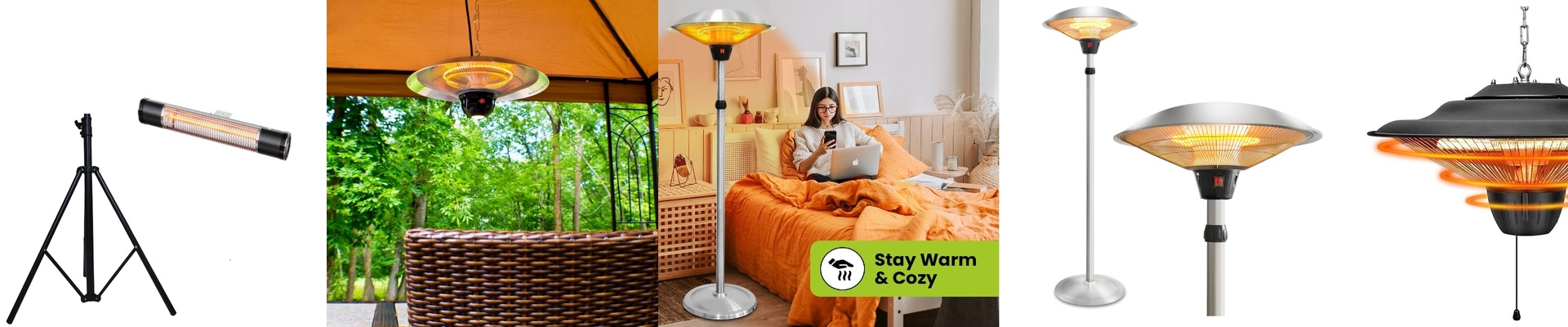
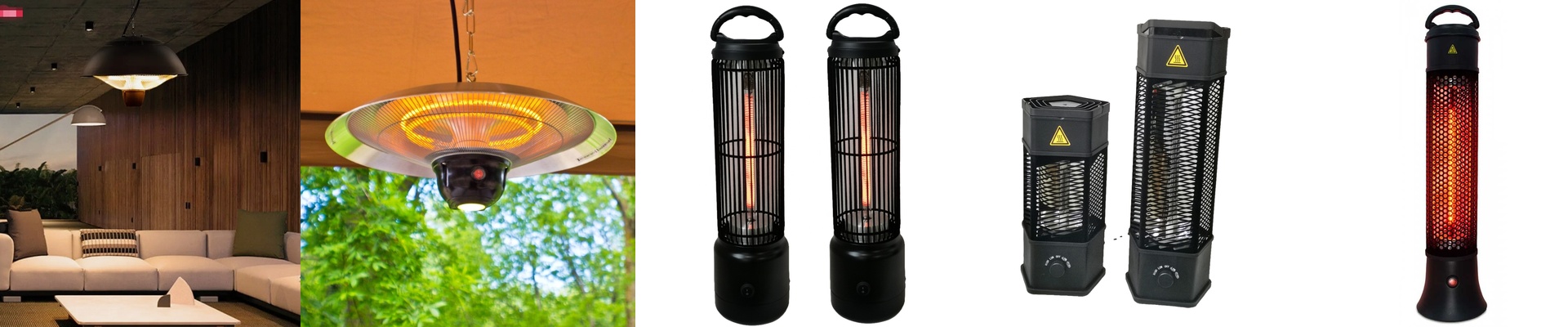
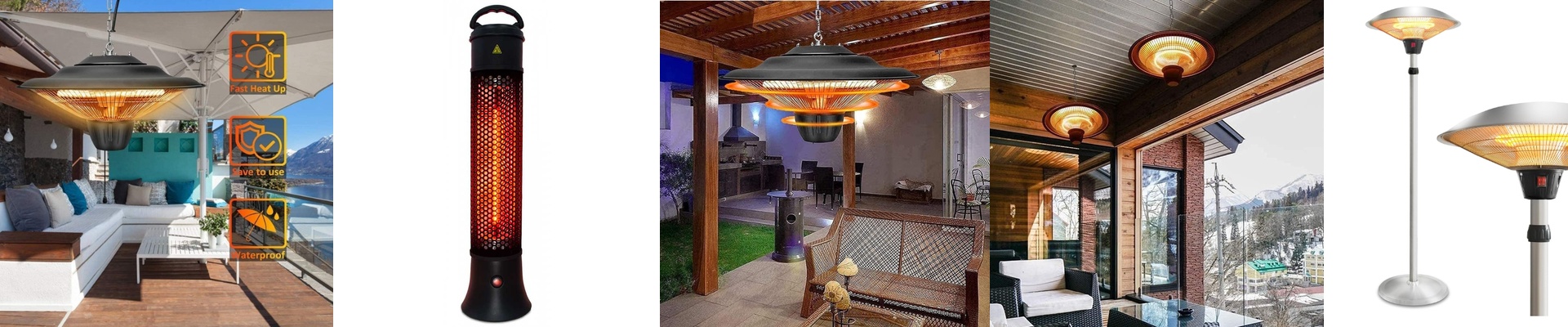
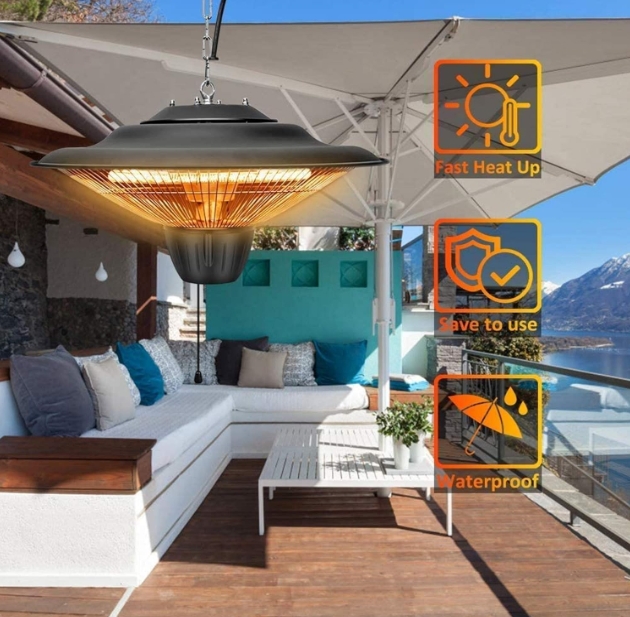
Electric infrared heaters throw warmth the way the sun does—radiant heat that lands directly on people, floors, and fixtures, not on the air. Inside, a carbon fiber element brings a quartz tube up to temperature fast, delivering short-wave infrared warmth that you feel immediately. No noisy fan kicking up dust, just instant comfort. Most models run off a standard 120V outlet, pull 1.5–2.0 kW, and come with a built-in thermostat for steady, consistent control. For safety, tip-over protection shuts the unit down if it gets bumped, and the exterior stays cool to the touch.
Why this fits retail
Retail needs heat that’s easy on the merchandise and on the people. Infrared warmth doesn’t dry out the air the way forced-air systems do, and it doesn’t dump combustion byproducts into the space. There’s no fuel storage, no wick to trim, and no soot to scrub out. You plug in, set the thermostat, and feel comfort spread from floor to ceiling. Customers stick around longer. Employees work more comfortably. And you stop fielding the headaches that come with kerosene—odor, smoke, and heat that never settles.
The practical stuff
Infrared is directional, so placement is everything. Aim the heater to cover primary traffic lanes and the checkout area, and think about a second unit if you have a big, open floor plan. The zone directly in front of the heater warms fastest; corners and far walls are going to feel cooler. These units are designed for indoor use, but they still need clearance from combustible materials and should be run with adequate general ventilation. Plug into a dedicated outlet, respect the spacing guidance, and you’ll get steady, clean warmth—without the air-quality trade-offs of kerosene.