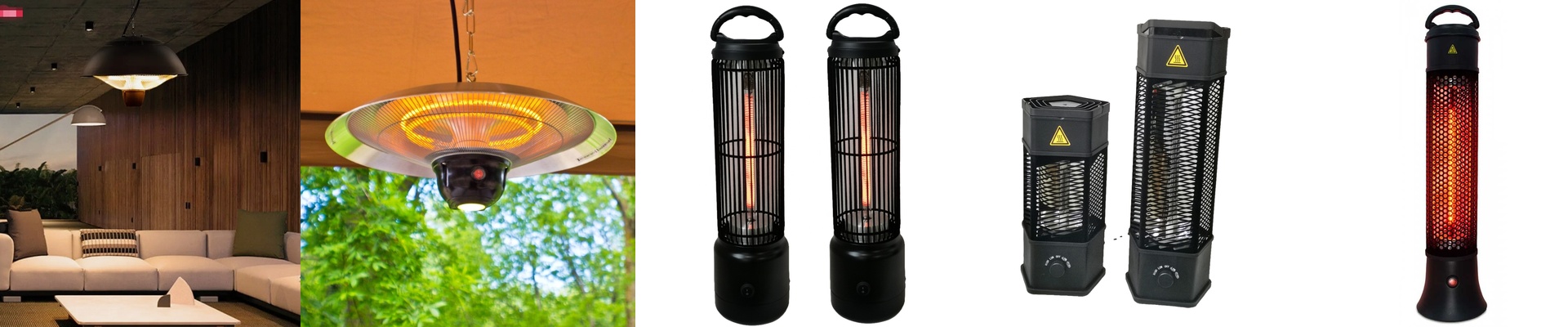
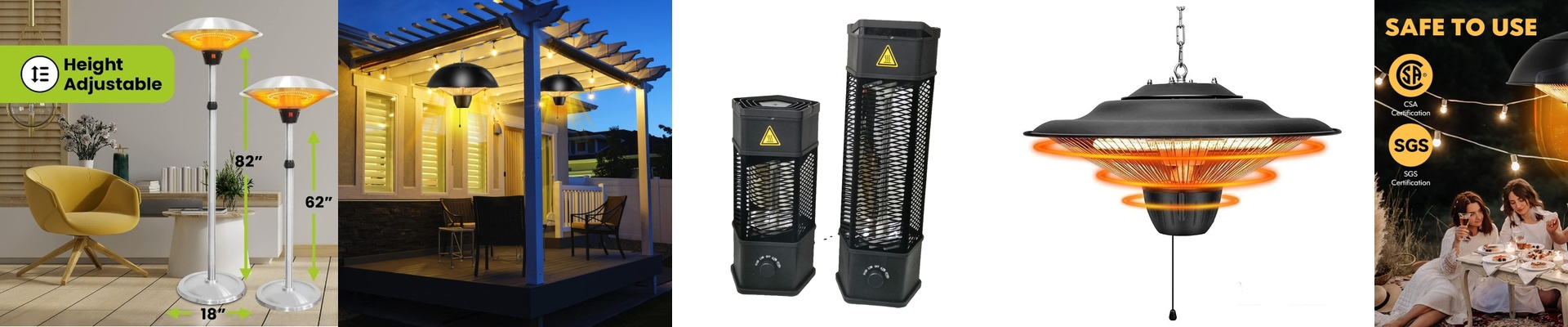
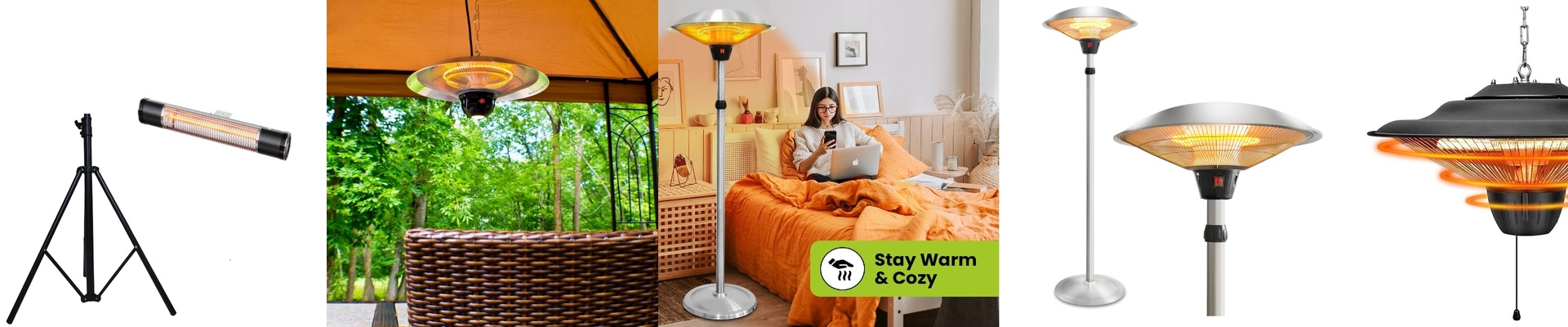
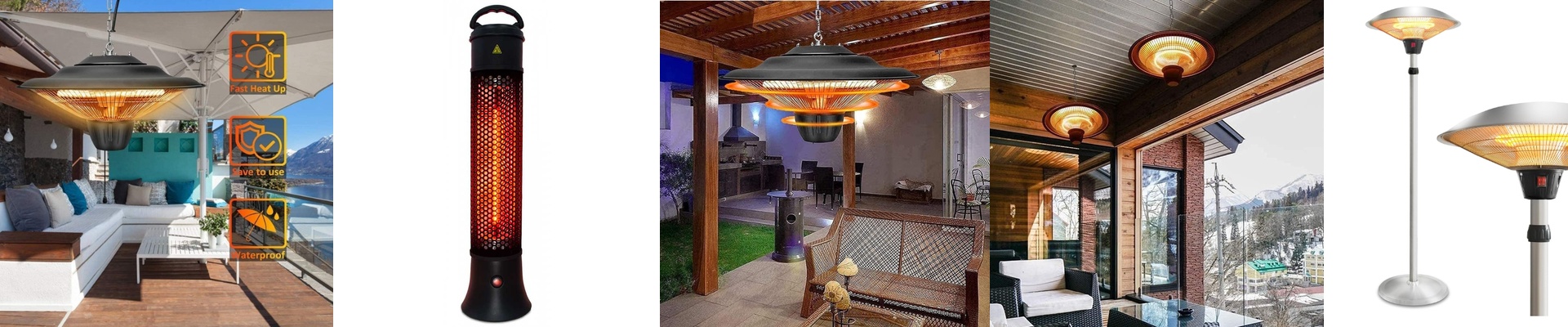
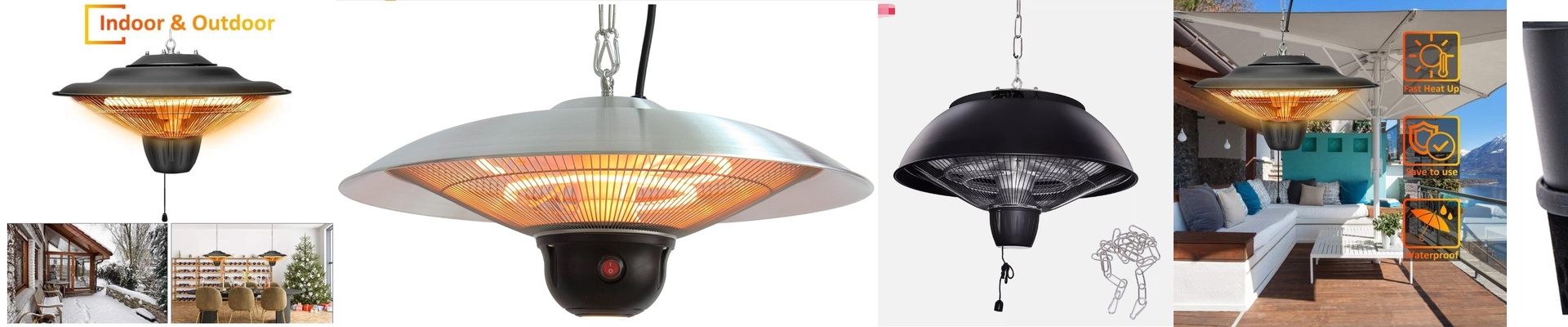

In a commercial spa or beauty room, comfort isn’t a nice-to-have—it’s the backbone of the session. Drafts make treatments drag, muscles tighten up, and the whole rhythm falls apart. What you need is heat that hits fast, holds steady, and works with your flow, not against it.
What matters under the hood
We built our PTC ceramic infrared heater around a self-regulating ceramic element. It resists overheating and keeps output stable without a bunch of complex controls. The payoff is a compact electric heater that runs on 120V, typically offered in 400W–1500W, sized to slip under tables, sit near recliners, or mount on a wall. Heat comes on within seconds, and because it’s infrared, it warms bodies and surfaces directly—less wasted energy heating air that never reaches the client.
Why this fits spa work
Infrared warmth is the bridge between comfort and results. During waxing, facials, and massage, clients are undressed or partially undressed; radiant heat keeps them relaxed without cranking the room temperature so high that staff are miserable. That gentle penetration supports circulation and helps muscles release, so the treatment feels deeper without you having to add pressure. For the operator, it translates to steadier sessions, fewer pauses to tweak the temperature, and lower running cost compared to heating the whole space.
What to watch for
Because infrared heats objects directly, people feel comfortable even when the air temperature is lower—but placement matters. Keep the heater at a safe distance and aim it at the client, not into their eyes. Most units are designed for indoor commercial use; if you want coverage near a poolside or covered patio, confirm the IP rating and local electrical codes. And while PTC ceramic elements are inherently self-limiting, always plug into a grounded outlet and follow the spacing guidance around drapes, towels, and furniture.Placement and clearance are half the job.