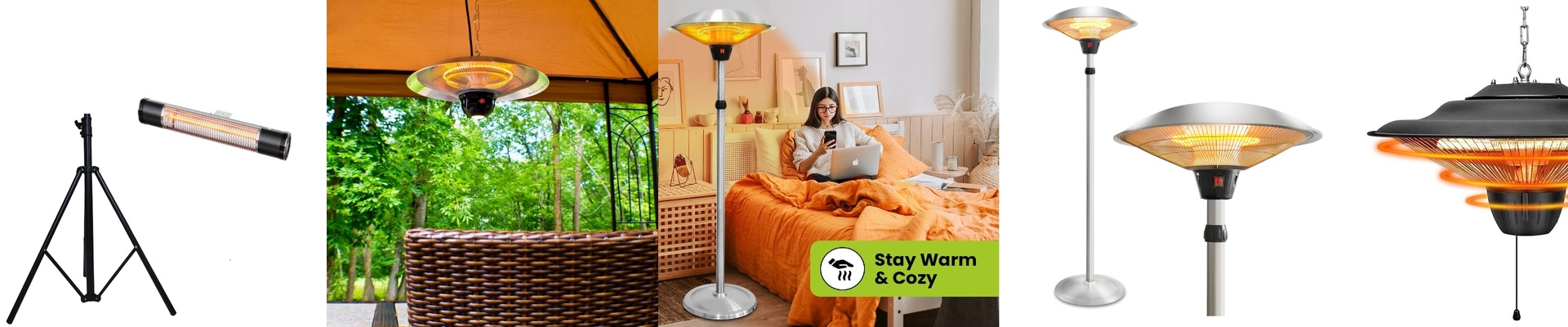

Out on the lithography floor, a 0.3°C drift in the e-beam resist bake isn’t a “small deviation.” It’s a line-width excursion that turns good wafers into scrap. When your critical layers live or die on the photoresist thermal budget, there’s no room for variability. The bake step sets the tone—dose, contrast, and pattern integrity all hinge on it. If the heater can’t hold tight uniformity and repeatability, you’re making the scanner and the resist fight an uphill battle. Here’s what matters: control you can count on, shift after shift. Our e-beam resist baking heaters hold wafer-level thermal uniformity within ±0.1°C, with fast settling that keeps the thermal profile locked in across soft bake and hard bake. The design uses short-wave infrared elements for rapid, clean heat transfer, and quartz-isolated hot zones to keep particle generation down. Cleanroom Class 1–100 compatibility is built in from the start. Low outgassing materials, sealed junctions, and HEPA-friendly airflow paths keep particle counts flat. In production clusters, the system runs 24/7 with zero unplanned downtime, and temperature repeatability holds up across thousands of bake cycles. Why does this matter on the line? Because precise bake control stabilizes CD and overlay, and that directly improves process yield. You see tighter distributions, fewer rework lots, and line-width behavior that stays predictable across the lot. Energy use drops, too—the heater hits setpoint quickly and holds it without overshoot. Stable performance also stretches consumable life and cuts down on maintenance windows. The result is process stability that compounds across the fab. A couple of practical notes. The heater needs a dedicated power feed and controlled cooling to keep that ±0.1°C band, even at full duty cycle. Integration is straightforward on most e-beam tracks, but you’ll want to confirm the footprint and gas-line routing against your specific tool model before installation. Plan a short qualification run to lock in the thermal recipe and verify particle performance under your line conditions.
Litografi katında, e-beam resist pişirme sırasında 0.3°C’lik bir sapma “küçük bir farklılık” değildir. Bu, iyi wafer’ları hurdaya dönüştüren bir çizgi genişliği sapmasıdır. Kritik katmanlarınız fotoresist termal bütçesine bağlı olarak şekillendiğinde, değişkenliğe yer yoktur. Pişirme adımı süreci belirler—doz, kontrast ve desen bütünlüğü tamamen buna bağlıdır. Isıtıcı sıkı bir uniformite ve tekrarlanabilirlik sağlayamazsa, tarayıcı ile resist arasında zor bir mücadele yaşanır.
Önemli olan şudur: vardiya başı güvenilir kontrol. E-beam resist pişirme ısıtıcılarımız, wafer seviyesinde ±0.1°C içinde termal uniformite sağlar ve yumuşak pişirme ile sert pişirme arasında ısı profilini hızlıca sabitleyen bir yerleşme süresine sahiptir. Tasarım, hızlı ve temiz ısı transferi için kısa dalga kızılötesi elemanlar kullanır ve parçacık oluşumunu azaltmak için kuvars izolasyonlu sıcak bölgeler içerir.
Temizoda Class 1–100 uyumluluğu baştan itibaren sağlamdır. Düşük gaz salınımlı malzemeler, mühürlü bağlantılar ve HEPA uyumlu hava akış yolları parçacık sayısını sabit tutar. Üretim kümelerinde sistem 7/24 çalışır, planlanmamış duruş yaşamaz ve sıcaklık tekrarlanabilirliği binlerce pişirme döngüsünde korunur.
Bunun hat üzerindeki önemi nedir? Çünkü hassas pişirme kontrolü CD (Critical Dimension) ve overlay stabilitesini sağlar ve bu da doğrudan proses verimini artırır. Daha dar dağılımlar, daha az tekrar işlenen lot ve lot genelinde öngörülebilir çizgi genişliği davranışı elde edilir. Enerji tüketimi de azalır—ısıtıcı set noktasına hızla ulaşır ve aşım olmadan sıcaklığı korur. Kararlı performans ayrıca sarf malzeme ömrünü uzatır ve bakım aralıklarını azaltır.
Sonuç, fabrika genelinde artan proses kararlılığıdır.
Pratik birkaç not: Isıtıcının ±0.1°C aralığını koruyabilmesi için tam iş döngüsünde bile ayrı bir güç beslemesine ve kontrollü soğutmaya ihtiyacı vardır. Entegrasyon çoğu e-beam hattında basittir, ancak kurulumdan önce spesifik ekipman modelinize göre yerleşim alanı ve gaz hattı yönlendirmesini doğrulamanız gerekir. Termal reçetenizi kilitlemek ve hat koşullarınız altında parçacık performansını doğrulamak için kısa bir uygunluk testi planlayın.